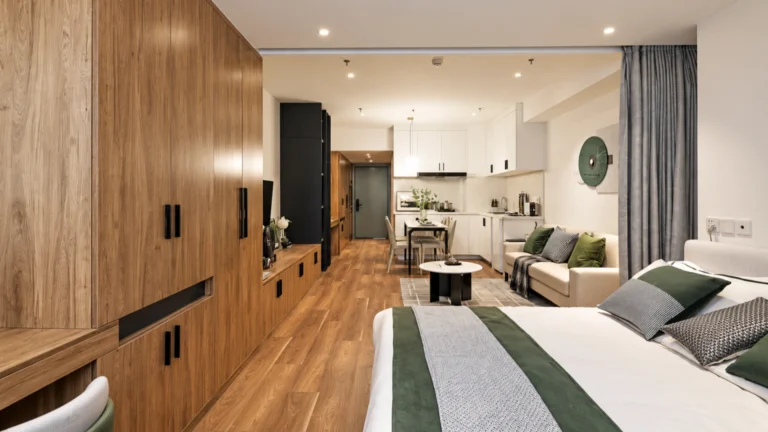
Safety and ease of use should come first when choosing senior living furniture. For older residents, furniture should be stable, comfortable to use, and easy to move or reposition where appropriate. Lightweight designs can make everyday handling easier, but they must never compromise structural stability.
For developers and facility operators, selecting furniture for senior living facilities also means considering different mobility needs, accessible storage, easy-clean materials, and long-term durability. Independent living apartments, assisted living residences, dining areas, and shared lounges each have different furniture requirements.
This 2027 guide covers essential furniture by facility type and room, practical safety and mobility considerations, and how to plan suitable furniture packages for senior living projects.
What Is Senior Living Furniture?
Senior living furniture refers to furniture designed or selected for residential communities and care facilities serving older adults. Unlike standard residential furniture, it must accommodate different levels of mobility, independence, and daily assistance while maintaining a comfortable, home-like appearance.
Safety and ease of use are key considerations. Furniture should provide stable support, have smooth edges, and be easy to access and maintain. Lightweight designs can make suitable pieces easier to reposition, but chairs and other supportive furniture must remain stable during use. Easy-to-clean surfaces and durable construction are also important in shared living environments.
The requirements for furniture for senior living vary by facility. Independent living communities may prioritize residential comfort and flexibility, while assisted living and nursing homes often require greater attention to accessibility, resident support, and cleaning needs.
The right furniture should balance residents’ independence and comfort with practical safety and facility operations.

Furniture Needs for Different Senior Living Facilities
Not all senior living communities have the same furniture requirements. The right furniture depends on residents’ independence, mobility, care needs, and how each facility operates.
Independent Living Furniture
Independent living communities generally serve older adults who can manage most daily activities independently. Furniture should feel residential, with comfortable seating, practical storage, and easy-to-use kitchen and dining furniture. Safety and accessibility remain important without compromising a home-like atmosphere.
Assisted Living Furniture
Assisted living furniture should accommodate residents who may need help with certain daily activities. Stable chairs with supportive armrests, accessible wardrobes, and convenient bedside storage can make everyday routines easier. Furniture layouts should also allow sufficient space for residents and caregivers to move comfortably.
Nursing Home Furniture
Nursing home furniture must account for more intensive care routines and frequent cleaning. Stable seating, accessible storage, and durable surfaces are particularly important. Furniture placement should support residents’ mobility needs while allowing caregivers to assist them safely.
Memory Care Furniture
Memory care furniture requires additional consideration for residents living with cognitive impairment. Familiar-looking furniture, clear visual contrast, stable seating, and uncluttered layouts can help create a more understandable environment. Choices should reflect the facility’s care approach and individual residents’ needs.
Senior Living Furniture by Facility Type
| Facility Type | Typical Furniture Needs | Main Selection Priority |
|---|---|---|
| Independent Living | Apartment furniture, dining sets, wardrobes, kitchen cabinets | Independent living, comfort, and ease of use |
| Assisted Living | Resident room furniture, supportive seating, accessible storage | Accessibility and daily assistance |
| Nursing Home | Bedroom, dining, lounge furniture, and storage | Care routines, durability, and cleaning |
| Memory Care | Supportive seating, accessible storage, suitable furnishings | Clear layouts, familiarity, and individual needs |
These are general planning considerations, not universal requirements. Furniture specifications should be confirmed against resident needs, facility operations, and applicable local standards.

What Furniture Is Needed in a Senior Living Facility?
Selecting furniture for senior living facilities starts with understanding how residents use each space. Bedrooms, dining rooms, shared lounges, and activity areas require different furniture configurations to balance safety, comfort, accessibility, and daily operations.
| Area | Essential Furniture | Optional / Project-Specific |
|---|---|---|
| Resident Bedroom | Bed or specified bed system, bedside cabinet, custom wardrobe | Desk, dresser, lounge chair |
| Independent Living Apartment | Sofa, dining set, appropriate cabinetry | TV cabinet, additional storage |
| Dining Room | Dining tables, supportive chairs | Sideboards, storage cabinets |
| Lounge | Sofas, lounge chairs, coffee tables | TV cabinets, bookcases |
| Reception | Reception desk, waiting chairs | Display and storage cabinets |
| Activity Room | Tables, chairs, storage | Flexible or specialized furniture |
| Bathroom & Utility | Appropriate vanity and storage cabinetry | Additional built-in storage |
What Makes Furniture Suitable for Older Adults?
Understanding senior living furniture requirements means considering how residents sit, stand, move around and use furniture throughout the day. Small design details can make a significant difference to everyday comfort, independence and safety.
Seating Comfort & Ease of Standing
Senior living chairs should have suitable seat heights and depths, supportive armrests, and cushions that provide enough support without excessive sinking. These features can make sitting down and standing up easier for older residents. Lightweight designs may also help staff reposition furniture when needed.
Safety, Stability & Accessibility
Furniture must remain stable during everyday use, particularly when residents lean on armrests for support. Smooth edges, accessible storage, and sufficient clearance for wheelchairs and walkers are also important. Lightweight furniture is useful for flexible layouts, but stability should never be compromised for easier movement.
Easy Cleaning & Long-Term Durability
Furniture in senior living facilities is used frequently and requires regular cleaning. Choose upholstery and surface finishes that are compatible with the facility’s cleaning procedures. Durable construction, replaceable components, and easy-to-maintain hardware can also simplify repairs and reduce long-term replacement costs.

How to Choose Materials for Senior Living Furniture
Material selection for senior living furniture should reflect how each product is used, cleaned and maintained. For facility buyers, the priority is not simply choosing premium materials, but finding suitable options that balance resident safety, everyday comfort, durability and long-term maintenance costs.
Material Selection by Furniture Category
| Furniture Category | Materials to Compare | What Buyers Should Prioritize |
|---|---|---|
| Sofas & Chairs | Upholstery fabrics, foam, wood or metal frames | Supportive cushioning, stain resistance, cleaning compatibility and frame stability |
| Dining Tables | Laminate, wood veneer, solid wood and suitable surface finishes | Easy-clean surfaces, resistance to daily wear and smoothly finished edges |
| Wardrobes & Cabinets | Plywood, engineered wood, hardware and decorative finishes | Structural stability, accessible storage, durable hardware and edge protection |
| Bedroom Furniture | Wood, engineered panels, metal and upholstered components | Stable construction, easy maintenance and practical surface finishes |
| Bathroom Storage | Moisture-resistant panels, protective finishes and suitable hardware | Humidity resistance, sealed edges and ease of cleaning |
Consider Long-Term Maintenance
For shared spaces, easy-clean finishes and replaceable components can reduce maintenance demands. Upholstery should be compatible with the facility’s cleaning products, while cabinet materials and hardware should withstand repeated daily use.
Before bulk purchasing, request material samples and confirm relevant performance requirements, cleaning instructions and replacement options with the supplier.
How to Choose a Senior Living Furniture Supplier
When choosing senior living furniture suppliers, look beyond prices and product catalogs. Check their experience with completed care facility projects, ability to customize furniture to your floor plans and specifications, and capacity to maintain consistent quality across multiple rooms. Also confirm their delivery arrangements and after-sales support, including how they handle damaged products, missing parts, and replacement requests. Comparing these practical capabilities will help you identify senior living furniture manufacturers that are suitable for your project.
Conclusion
Choosing the right senior living furniture starts with understanding the needs of each facility. Independent living communities, assisted living residences, nursing homes, and memory care environments require different furniture configurations. Safety, stability, ease of movement, and everyday usability should guide furniture selection. Developers and operators must also consider cleaning, durability, maintenance, and consistency across multiple rooms.
Before purchasing, prepare a furniture plan based on room layouts, resident needs, facility operations, and project specifications. A well-planned furniture package can create more comfortable living spaces while simplifying procurement, maintenance, and future replacements.