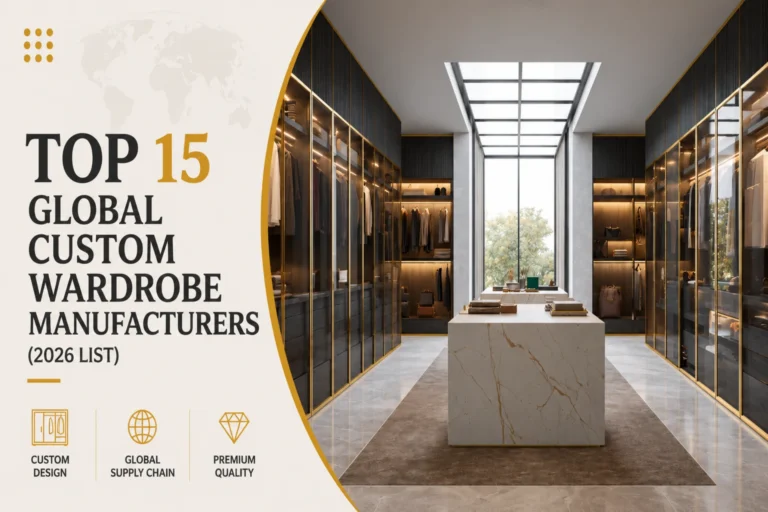
Once merely a transitional space where guests checked in and out, today’s lobby has evolved into something far more dynamic. It serves as a multi-functional social hub where travelers gather, a remote workspace for digital nomads, a lounge for casual meetings, and a carefully curated gallery that expresses the hotel’s brand identity and local culture. This fundamental shift in purpose is reshaping everything about lobby design—and at the heart of this transformation lies lobby furniture trends.
For hotel owners and designers, this evolution presents both opportunity and challenge.
The opportunity is to create spaces that delight guests, encourage longer stays, and differentiate your property in a competitive market. The challenge lies in navigating an increasingly complex landscape of choices.
- How do you balance aesthetics with functionality?
- How do you innovate while ensuring durability?
- How do you create a distinctive, personalized space without exceeding budget constraints?
These are not simple questions. The wrong trend, poorly executed, can leave your lobby feeling dated within years—or worse, unable to meet the changing expectations of guests who now view the lobby as an extension of their lifestyle.
That is where this guide comes in.We will explore the most significant lobby furniture trends shaping hotel design in 2026. From the rise of modular and multi-functional systems to the growing demand for eco-friendly materials, from the revival of vintage aesthetics to the pinnacle of bespoke craftsmanship. Whether you are planning a new development or renovating an existing property, these insights will help you make design decisions that are not only current but timeless.
Trend One
Modular and Multi-Functional Design Lobby Furniture
By 2026, hotel lobbies must accommodate a variety of functions—morning business meetings, afternoon socializing, and evening cocktail hours. As the demand for adaptable spaces increases, modular lobby furniture and multi-functional lobby furniture are becoming mainstream choices for modern hotel design.
Modular Seating Systems
Reconfigurable and expandable seating units, such as modular sofas and chairs, allow the lobby to adapt effortlessly to changing needs throughout the day. These flexible systems make it possible to create intimate spaces for business meetings or larger, open areas for social gatherings, all while maintaining a cohesive design. The ability to quickly adjust seating arrangements without major effort helps maximize the space’s functionality.
Hidden Functionality Designs
Furniture with integrated power outlets and USB ports in tables and seating is increasingly common, enabling guests to work or charge their devices without leaving their seats. Additionally, storage becomes a key feature with storage ottomans or hidden side tables that offer both utility and design. These elements make the lobby more functional without sacrificing aesthetic appeal.
Lightweight Design
A growing trend is the use of lightweight furniture that can be easily moved and reconfigured by staff without the need for professional movers. This flexibility is crucial for maintaining the lobby's functionality, particularly when the space needs to serve multiple purposes throughout the day. Lightweight pieces are easier to clean, rearrange, and replace, contributing to a more dynamic, adaptable space.
Designer Perspective: While modularity and multi-functionality are essential, designers must ensure that these elements don’t compromise the overall aesthetic and brand identity of the hotel. The key challenge is to integrate modular furniture into the lobby without disrupting the hotel’s design vision. Thoughtful selection of materials, colors, and finishes ensures that the modular lobby furniture still feels cohesive and aligned with the hotel’s atmosphere.

Trend TWO
Sustainable Materials Hotel Lobby Furniture
Eco-friendly lobby furniture will no longer be optional; it will be a standard for luxury hotels. Guests and brands alike are demanding higher sustainability standards, pushing the industry toward greener practices in design and manufacturing. The push for sustainability is not just a passing trend—it’s an evolving expectation in the hospitality sector.
Certified Materials
As sustainability becomes a priority, using certified materials will become increasingly important. FSC-certified wood, low-VOC finishes, and recycled metals and glass are materials that align with environmental responsibility while maintaining the high-end aesthetic that luxury hotels demand. Choosing materials that have been responsibly sourced not only reduces environmental impact but also adds a layer of credibility to the hotel’s commitment to sustainability.
Natural Textures
In 2026, the appeal of natural textures will continue to grow. Organic textures and unfinished natural surfaces—such as unpolished wood, stone, and natural fibers—will dominate the design of hotel lobbies. These materials offer a sense of authenticity and warmth that appeals to guests who increasingly value sustainability and connection to nature. By incorporating these textures into eco-friendly lobby furniture, hotels can create spaces that feel grounded and inviting while being mindful of their ecological footprint.
Local Sourcing
To further reduce carbon footprints, local sourcing of materials is becoming a crucial consideration. Sourcing materials and furniture locally not only supports regional craftsmanship but also helps minimize the environmental costs associated with transportation. Additionally, integrating local materials into hotel furniture designs allows hotels to reflect regional identity and heritage, creating a unique and authentic atmosphere.
Durability Equals Sustainability: One of the most sustainable practices is to invest in durable furniture. High-quality, well-crafted furniture will last longer and require less maintenance or replacement, reducing waste over time. By choosing pieces that are built to last, hotels can significantly cut down on the need for frequent furniture replacements, which in turn leads to cost savings and a smaller environmental impact. Durable materials like solid wood, metal, and high-grade upholstery are not only sustainable but also add a timeless appeal to hotel lobbies.

Trend Three
Vintage And Contemporary Hotel Lobby Furniture
The fusion of vintage lobby furniture with modern design elements creates a unique sense of time and warmth in a space. By blending the charm of vintage furniture with contemporary design, hotels can craft lobbies that not only look beautiful but also tell a story. This approach brings depth to the space, combining nostalgia with modern functionality.
Revived Classic Styles
A key aspect of this trend is the revival of classic furniture styles, such as mid-century modern and Art Deco. These timeless styles are being reinterpreted with contemporary materials and finishes. For example, mid-century modern pieces are being recreated with sleeker lines and updated materials, while Art Deco-inspired furniture adds opulence and elegance to the lobby. These revivals create a sophisticated, stylish atmosphere, while adding historical richness to the modern hotel space.
Mixing Old and New
The strategy of combining vintage furniture with modern design elements is an effective way to create a visually dynamic space. Vintage pieces can serve as focal points, providing character and personality, while modern furniture provides the functionality and sleekness needed for contemporary spaces. For example, an Art Deco sofa could be paired with minimalist modern coffee tables, blending past and present. Alternatively, a vintage artwork or chair might be used to add a unique, one-of-a-kind touch to a modern, streamlined lobby.
Restoration and Reinvention
True vintage furniture often requires restoration to ensure it meets the durability and comfort standards of modern hotel environments. Restoring these pieces and updating them with modern functionality (such as adding comfortable cushions or integrating modern upholstery) allows hotels to incorporate the charm of the past with the practical needs of today. These restored vintage pieces are often the focal point of the space, adding a personal touch and a sense of history to the lobby.
Designer Tips: When incorporating vintage pieces into a modern lobby, balance is key. The goal is to avoid creating a space that feels like a “themed museum” or a mismatch of eras. Designers should carefully curate the mix of vintage furniture and modern elements to ensure harmony in design. The vintage pieces should be used to accentuate the contemporary space, not overpower it. Choosing the right colors, materials, and proportions will help maintain a sophisticated and cohesive look that feels both fresh and timeless.

Trend Four
Extreme Hotel Lobby Furniture Customization
When standardization fails to meet the unique needs of a brand, bespoke lobby furniture becomes the go-to choice for luxury hotels. Each piece of furniture is not just an item, but an extension of the hotel’s brand story—helping convey a message, enhance the guest experience, and strengthen the overall identity of the hotel. For high-end hotels, where branding and uniqueness are key, custom furniture offers unparalleled opportunities to tailor the space to match the hotel’s vision.
In-Depth Customization Process
The journey from concept sketches to physical samples involves close collaboration between designers and artisans. Designers work directly with craftsmen to ensure that the furniture not only reflects the hotel’s brand identity but also meets the functional requirements of the space. This level of collaborative design ensures that every detail is meticulously planned and executed, allowing for the creation of truly unique pieces that are one-of-a-kind.
Exclusive Material Development
One of the key elements of bespoke lobby furniture is the use of exclusive materials that are carefully selected to align with the hotel’s brand and aesthetic. From custom textures and finishes to specially designed hardware and distinctive brand elements, these materials add a sense of luxury and individuality to the space. Custom textures, unique metals, and signature details become part of the hotel's identity, providing an experience that feels personal and tailored to guests.
Cultural Expression through Design
Incorporating local craftsmanship, materials, and cultural symbols into the design of the furniture is an excellent way to create a connection between the hotel and its location. Many luxury hotels seek to bring the essence of the surrounding area into their lobby design through local artisanship and the use of regional materials. This not only celebrates the local culture but also offers guests a more authentic and immersive experience.
Artisanal Craftsmanship: True bespoke furniture often involves handcraftsmanship—whether it’s hand-carved detailing, marquetry, or specialized lacquer finishes. These artisanal techniques elevate the furniture to an art form, making each piece a work of craftsmanship. Custom lobby furniture crafted by skilled artisans adds timeless beauty and a sense of exclusivity to the space, making it an integral part of the hotel’s luxury experience.
Trend Five
Natural Elements Take the Lead
Biophilic design, which started with the simple addition of greenery, has evolved into a deeper integration of nature into hotel spaces. Wooden lobby furniture and natural materials are taking center stage, helping to create environments that feel connected to the earth and provide guests with a more organic and soothing atmosphere. This trend reflects a growing desire for spaces that are not only visually appealing but also promote wellness and a connection with nature.
The Return of Wood
Wood, particularly solid wood and wood veneer, is making a significant comeback in lobby furniture. The warmth and tactile quality of wood provide an unparalleled sensory experience that is both inviting and timeless. Whether used in seating, tables, or accent pieces, wood creates a natural aesthetic that complements a variety of hotel styles, from contemporary to rustic. The sustainability of wooden furniture, especially when sourced responsibly, further enhances its appeal as a core material for eco-conscious hotel designs.
Organic Shapes
In 2026, the use of organic forms is set to replace rigid, straight lines. Curves and irregular shapes in lobby furniture will become more prominent, creating a sense of fluidity and natural movement. The soft lines of curved seating or freeform tables will evoke a sense of calm and harmony, offering guests a more inviting and relaxed environment. These natural forms allow furniture to feel more integrated with the space, creating a welcoming and organic atmosphere that blends seamlessly with the natural world outside.
Natural Stone
The use of natural stone in reception desks, coffee tables, and other lobby furniture will also increase. Materials like marble, granite, and limestone are not only luxurious but also durable and timeless. Incorporating stone into the design adds an element of permanence and strength, which enhances the tactile experience for guests. The texture of stone—whether smooth and polished or rough and natural—helps to bring a deeper sense of the earth into the space.
Earthy Color Palette
To complement the use of natural materials, a color palette rooted in nature will dominate the design of hotel lobbies in 2026. Earth tones—such as warm browns, greenery, and terracotta hues—will be used to create a grounded, calming atmosphere. These colors not only evoke a connection with nature but also provide a neutral backdrop that allows the natural materials to shine. The calming effect of these colors will help promote a sense of tranquility and well-being for guests.

Trend Six
Seamless Technology Integration
By 2026, technology will no longer be something “visible” in hotel lobbies but will instead be seamlessly integrated into the furniture itself, enhancing guest experiences without disrupting the aesthetic of the space. As technology continues to evolve, it becomes increasingly important to provide guests with the functionality they expect, while maintaining a sophisticated and cohesive design. The future of lobby furniture will blend the best of both worlds—functional tech and elegant design.
Wireless Charging Integration
One of the key features of tech-integrated furniture in 2026 is the seamless inclusion of wireless charging stations. Charging pads built into tabletops, armrests, and lounge furniture provide guests with a hassle-free way to power their devices. These hidden charging areas are discreet and unobtrusive, maintaining the clean lines and aesthetic of the lobby furniture while ensuring guests have easy access to power whenever needed.
Cable Management Systems
One of the major pain points of modern spaces is the clutter of cables. Cable management systems will become an essential feature of hotel lobby furniture in 2026, effectively hiding power cords and charging cables to ensure a clean and organized look. The ability to keep the space neat and free of visible technology helps maintain the visual appeal of the lobby, while still providing the technological conveniences guests expect.
Material Innovations
Furniture will also incorporate materials designed to enhance technological integration without disrupting the aesthetic. Special finishes will be used to ensure that signals for wireless charging and smart devices aren’t blocked by the surface of the furniture. These tech-friendly materials will allow guests to interact with the furniture’s embedded technology without compromising the sleek, modern design of the space.
Trend Seven
Color and Material as Emotional Expression
In the post-pandemic era, people are seeking spaces that evoke positive emotions. The use of color and materials will play a crucial role in expressing these emotions within hotel lobbies. As guests increasingly prioritize comfort, well-being, and atmosphere, hotel lobbies must reflect these desires through thoughtful design choices that create a welcoming, uplifting environment.
Warm Metals
Cold, industrial materials like stainless steel are being replaced by warm metals such as brushed brass and antique bronze. These metals add a sense of luxury, warmth, and elegance to the space, creating an inviting and comforting atmosphere. Warm metallic finishes are becoming increasingly popular in lobby furniture, including on fixtures, tables, and accents, to give the space a refined, yet approachable feel. These materials enhance the tactile experience and offer a timeless aesthetic that elevates the hotel’s overall design.
Tactile Fabrics
Velvet and textured fabrics are making a significant comeback in hotel lobby furniture, creating a sense of comfort and luxury. These fabrics are not only visually striking but also invite guests to engage with their environment. The soft, rich texture of velvet cushions or woven textiles on seating pieces enhance the sensory experience, making the space feel warm, inviting, and comforting. These tactile elements help transform the lobby from just a functional space into a sensory experience that encourages relaxation and connection.
Saturated Colors
Bold, saturated colors are being strategically used in hotel lobbies to create focal points and visual interest. Instead of overwhelming the entire space with bright tones, designers are using deep hues—such as emerald green, rich burgundy, or royal blue—on accent walls, furniture, or artwork. These vibrant colors bring energy and character to the lobby, enhancing its mood while still maintaining a balance with the overall design. This trend highlights the importance of color as a tool to evoke specific emotions and reactions from guests.
Light and Shadow Play
The interaction between furniture surfaces and light is another key element in creating an emotionally resonant space. Furniture that changes with the lighting—whether through glossy or matte finishes—creates subtle shifts in the ambiance of the lobby. Textured surfaces reflect light differently, adding depth and complexity to the space, while also contributing to the overall mood. The play of light and shadow on furniture surfaces enhances the visual intrigue and adds an element of dynamism, ensuring that the space feels alive and constantly changing throughout the day.

Based on project requirements
How to Implement These Trends in Your Project
Not every trend will be suitable for every project. When deciding which trends to adopt, it’s essential to align them with your hotel’s brand positioning and target guest demographic. For example, a luxury hotel might prioritize bespoke lobby furniture and high-end materials, while a boutique hotel could focus on incorporating more unique and vintage elements. By selecting 3-4 core trends that resonate most with your brand’s identity and guest needs, you can create a cohesive and meaningful design that feels authentic and timeless.
Budget Allocation
It’s important to allocate your budget wisely when implementing these trends. While customization and sustainable materials may require a higher upfront investment, they often result in long-term value. Consider spending more on critical areas such as bespoke furniture or eco-friendly materials that align with your hotel’s values and provide lasting benefits to both the environment and guest experience. For other areas that are less central to your brand or guest needs, you can maintain a more neutral approach to control costs while still adhering to the overall design direction.
Supplier Selection
Finding the right hotel lobby furniture suppliers who can execute these trends is crucial. Look for suppliers with experience in delivering custom furniture and those who have expertise in working with sustainable materials or modular systems. It's important to assess each supplier’s ability to customize pieces according to your design vision and their experience with specific materials. Suppliers with a proven track record of delivering high-quality and trend-aligned products will be vital partners in bringing your vision to life.
Future-Proofing
As the hospitality industry continues to evolve, it’s essential to choose furniture solutions that can adapt to future trends and guest needs. For example, modular systems are ideal for creating flexible spaces that can be easily updated as trends shift. By investing in modular lobby furniture, you ensure that your hotel’s lobby can evolve with changing guest expectations and industry trends, allowing for easier updates and renovations in the future without starting from scratch.
Internal Link:
👉 For more detailed information on choosing the right supplier, check out our comprehensive guide: [How to Choose the Right Custom Hotel Lobby Furniture Supplier in 2026]
Conclusion
The key to 2026 hotel lobby furniture trends lies in adaptability—adapting to ever-changing functional needs, environmental responsibilities, brand uniqueness, and technological advancements. The most successful lobbies will be those that strike a balance between aesthetic appeal and functionality, innovation and durability. By embracing trends that cater to both guest expectations and practical requirements, you can create lobbies that stand the test of time and continue to impress guests for years to come.
Trends serve as a guide, not a set of rules. The most memorable hotel lobbies often emerge when designers and owners boldly incorporate unique brand perspectives into these trends. Understanding and applying lobby furniture trends thoughtfully allows you to create spaces that reflect both the hotel’s identity and the dynamic future of hospitality design.
Whether you’re planning a new hotel or considering a renovation, CenSo Home’s global design team is ready to bring your vision to life.
With over 18 years of experience in hotel projects and a global manufacturing network
we understand the intricate requirements of high-end hotel lobby furniture down to the finest details. Let us help you create a lobby that speaks to your guests and elevates your brand.
FAQ
What are the biggest lobby furniture trends for 2026?
The key trends include modular and multi-functional designs, eco-friendly and sustainable materials, vintage-modern fusion, bespoke customization, biophilic design with natural wood, seamless technology integration, and expressive colors and textures.
Why is modular lobby furniture becoming popular?
Hotels need spaces that adapt throughout the day—from morning work to evening socializing. Modular furniture allows for quick reconfiguration without renovation, maximizing the utility of the lobby space.
What does "eco-friendly lobby furniture" mean in practice?
It means furniture made with certified sustainable materials (like FSC wood), low-VOC finishes, recycled components, and designed for durability to reduce replacement frequency. Suppliers should provide verifiable certifications.
How do I choose the right trends for my hotel?
Consider your brand positioning, target guest demographics, and location. A business hotel may prioritize modular work-friendly spaces, while a resort might focus on natural materials and relaxation. Select 2-3 core trends that align with your identity.
How do I maintain and care for eco-friendly lobby furniture?
Maintaining eco-friendly lobby furniture is relatively straightforward if you follow the right care guidelines. For example, wooden lobby furniture can be protected with non-toxic wax or oils to maintain its natural finish. Ensure that recycled materials are cleaned with environmentally safe products, and opt for sustainable upholstery that is easy to clean and resistant to wear. Regular maintenance of eco-friendly furniture ensures longevity, reduces replacement frequency, and maintains the furniture’s aesthetic integrity over time.