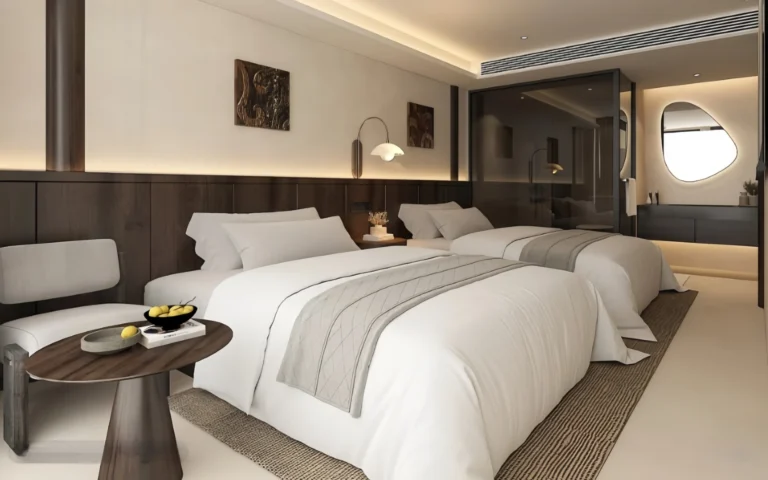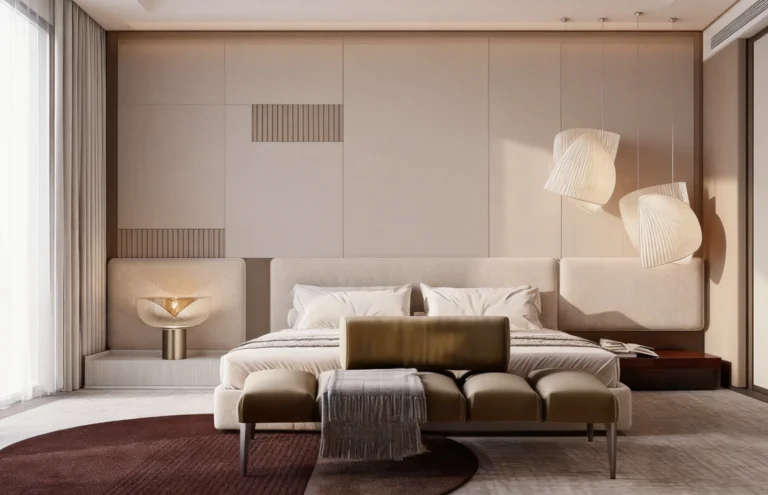
Hotel design is never static. What felt fresh and luxurious just a few years ago can quickly become dated, affecting guest satisfaction, online ratings, and ultimately revenue. In a competitive marketplace where travelers have endless choices, a well‑designed hotel that reflects current aesthetics and functional expectations is not a nicety – it is a business necessity.
Every five to eight years, most properties require a refresh or full renovation to stay relevant. Guest expectations evolve: they seek comfort, seamless technology, authentic experiences, and increasingly, a commitment to sustainability. The design of your hotel – from the lobby to the guestroom, restaurant to corridor – directly influences booking decisions, length of stay, and the likelihood of repeat visits.
As we move through 2026, the world of hospitality interior design is undergoing profound shifts. Sustainability is no longer an optional badge – it has become a baseline requirement. Technology is expected to be invisible yet powerful, enhancing convenience without clutter. Wellness is woven into every space, from circadian lighting to noise‑reducing materials. And instead of cookie‑cutter chain aesthetics, guests crave spaces that tell a local story, celebrating the culture and craftsmanship of the destination.
Behind every one of these design directions lies FF&E – furniture, fixtures, and equipment. The right custom FF&E for hotels turns design concepts into tangible, durable, and functional spaces. Whether it is a biophilic headboard, a smart nightstand with wireless charging, or a modular lobby seating system, the choices you make about FF&E determine how well your design ages.
In this guide, we will walk you through the most impactful hotel interior design trends for 2026 – covering guestrooms, lobbies, dining areas, and outdoor spaces. More importantly, we will show you how to bring these trends to life through thoughtful FF&E selection, ensuring your property remains competitive, guest‑focused, and profitable for years to come.
TREND 1
Sustainability hotel interior design
In 2026, sustainability in hotel interior design is no longer optional—it’s a requirement. Hotels are increasingly expected to select materials that are eco-friendly, responsibly sourced, and compliant with international environmental standards. Choosing FSC-certified wood, CARB-compliant panels, and other environmentally responsible materials ensures your hotel aligns with both guest expectations and regulatory requirements.
Circular design principles are also gaining traction, emphasizing furniture and fixtures that can be refurbished, reused, or recycled at the end of their lifecycle. This approach reduces waste and contributes to long-term operational savings. Additionally, integrating sustainability into hotel design supports ESG goals and green hotel certifications, which can enhance brand reputation and appeal to eco-conscious travelers.
From the selection of casegoods and lobby furniture to lighting fixtures and decorative elements, every choice should consider environmental impact without compromising style, durability, or comfort. Sustainable hotel interior design is not just a trend—it’s a business imperative, ensuring your property remains competitive while respecting the planet.

TREND 2
Custom FF&E for Unique Hotel Interior
In 2026, guests increasingly value spaces that tell a story and reflect the local culture. Custom FF&E (furniture, fixtures, and equipment) is at the heart of creating these distinctive experiences. From bespoke headboards and handcrafted wardrobes to one-of-a-kind lighting and artwork, tailored pieces allow hotels to differentiate themselves, elevate the guest experience, and align every room with the overall interior design vision.
Custom FF&E also ensures durability and functionality without compromising aesthetics. Hotels can match materials, colors, and finishes to the brand’s identity while integrating practical solutions for housekeeping and guest use. For suites or specialty rooms, these design-driven choices make a memorable impression that standard off-the-shelf furniture cannot achieve.

TREND 3
Seamless Technology Integration
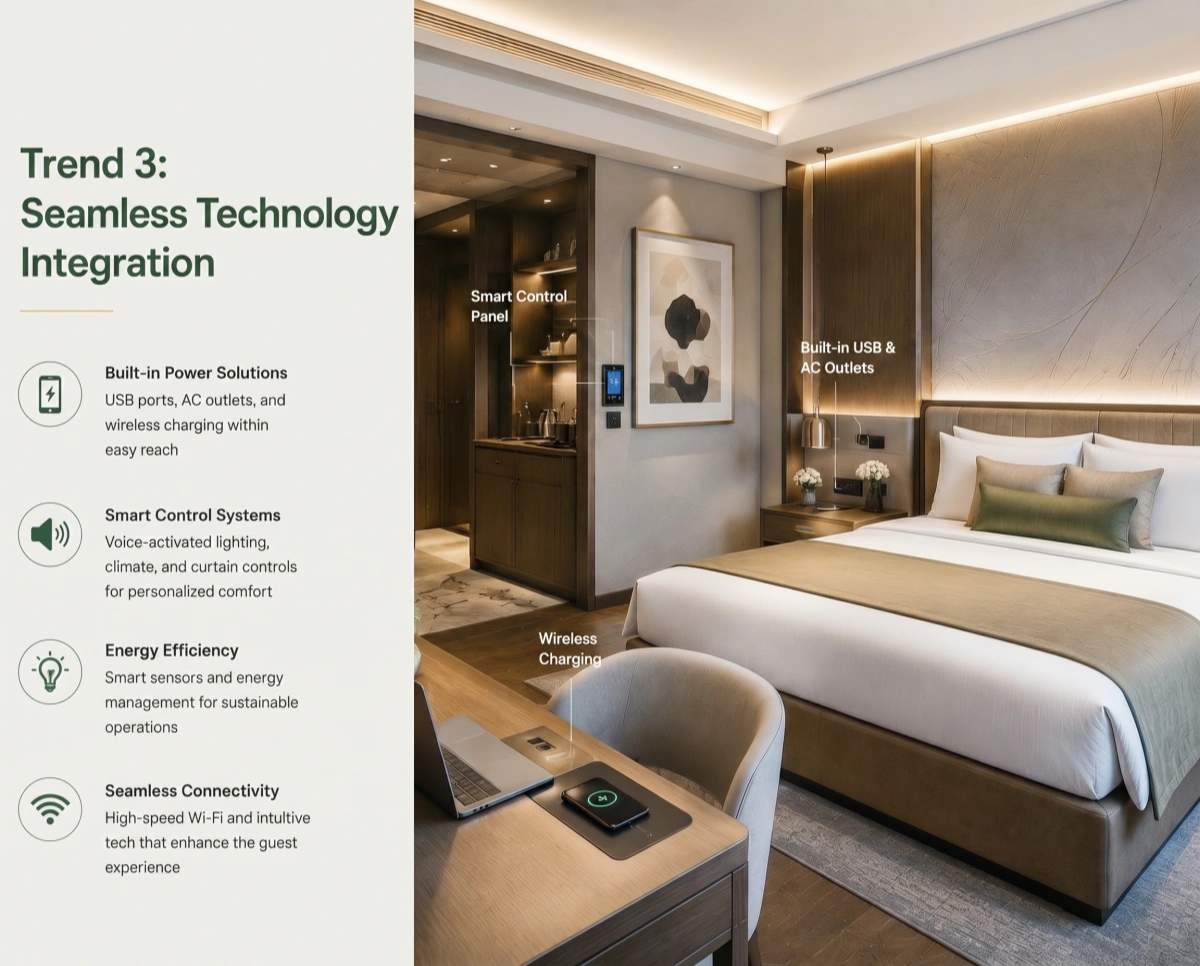
Modern travelers expect technology in hotel rooms to be intuitive, convenient, and invisible. In 2026, smart hotel room furniture and fixtures are designed to integrate wireless charging pads, USB ports, AC outlets, and voice-controlled systems directly into beds, desks, and nightstands. This seamless integration enhances the guest experience by reducing clutter, eliminating the need for adapters, and creating a smooth, tech-enabled environment without compromising the room’s aesthetic appeal.
Hotels that adopt smart furniture solutions can also streamline operations, such as lighting presets and energy management, while maintaining a polished and cohesive interior design. Thoughtful technology integration is no longer a luxury—it’s a standard expectation for mid- to high-end properties.
TREND 4
Biophilic & Natural hotel interior design
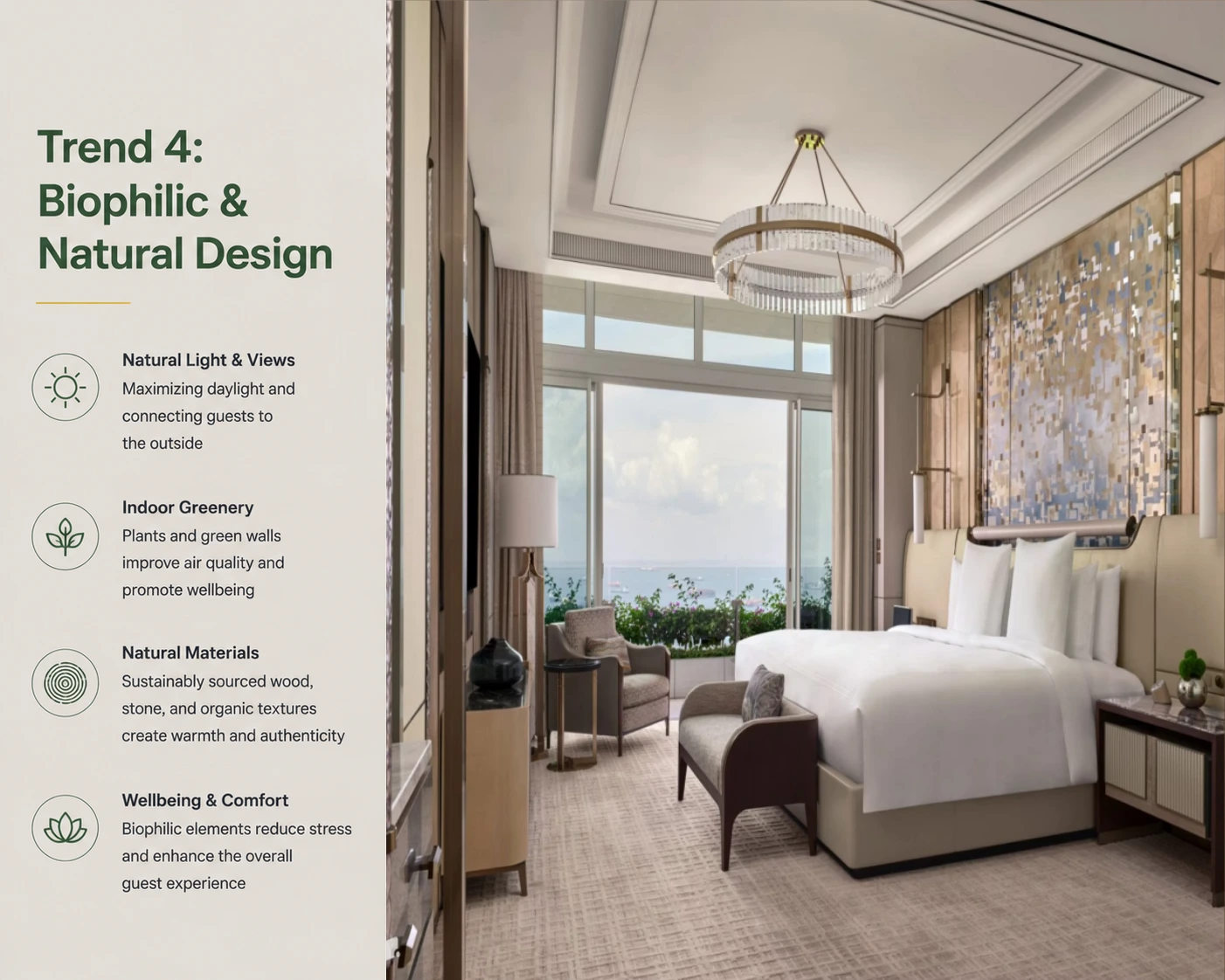
Biophilic design continues to gain traction in 2026, emphasizing the integration of natural elements to create healthier and more inviting hotel environments. Hotels are incorporating abundant natural light, green walls, indoor plants, and sustainably sourced wood and stone finishes. These elements not only enhance visual appeal but also contribute to guest wellbeing, reducing stress and improving comfort.
By connecting guests to nature within interior spaces, hotels can elevate the overall experience and differentiate their brand. From lobbies to guestrooms, the thoughtful use of biophilic elements reinforces a sense of place and promotes a holistic, health-oriented stay.
TREND 5
Modular & Multi-Functional Spaces
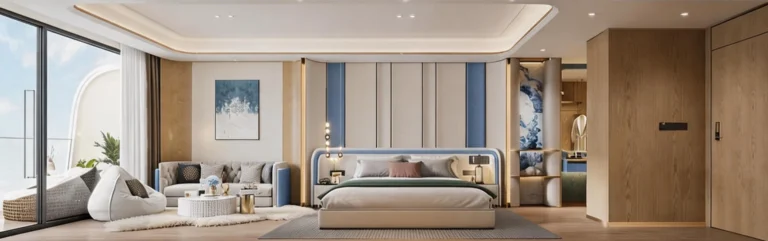
In 2026, hotels are reimagining how space is used to meet the evolving needs of guests. Modular furniture and flexible layouts allow guestrooms to double as temporary workspaces, while lobbies and lounges can transform into social or event areas. Movable partitions, modular seating, and multipurpose furnishings enable hotels to optimize space without compromising comfort or aesthetics.
This trend supports operational efficiency, enhances guest satisfaction, and maximizes revenue per square meter by making spaces adaptable to different functions throughout the day.

TREND 6
Expressive Colors & Textures
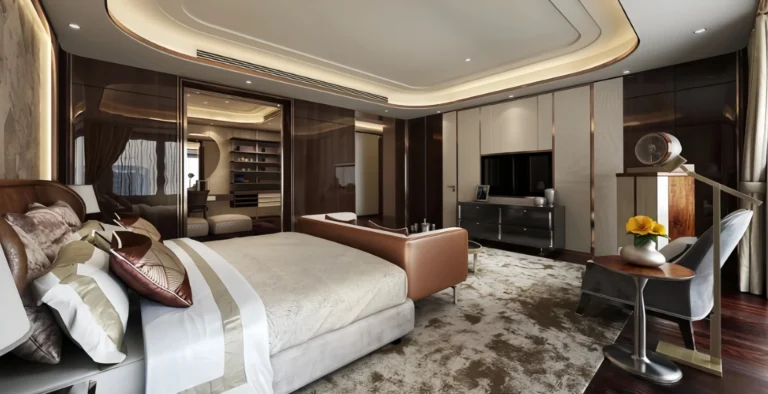
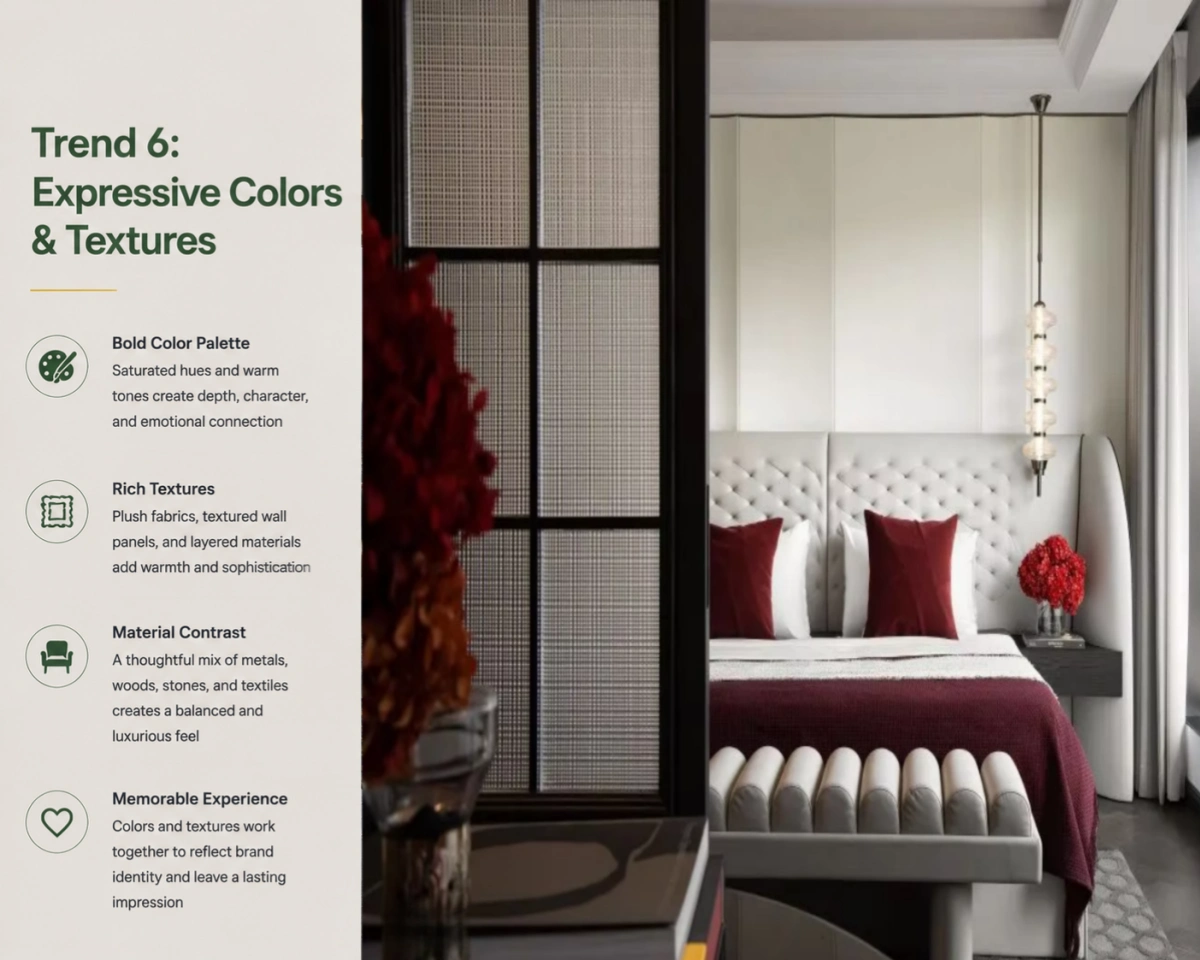
In 2026, hotel interior design is embracing bold colors and tactile materials to create memorable guest experiences. Warm metals, plush fabrics, and saturated tones are used to convey brand identity, evoke emotions, and make spaces feel inviting yet sophisticated. By thoughtfully combining colors and textures across furniture, wall panels, and soft furnishings, hotels can craft rooms that resonate with guests on a sensory and emotional level.
This approach is particularly effective in luxury and boutique properties, where every material choice and hue contributes to storytelling and enhances the perceived value of the stay.
TREND 7
Local Culture & Artisanal Touch
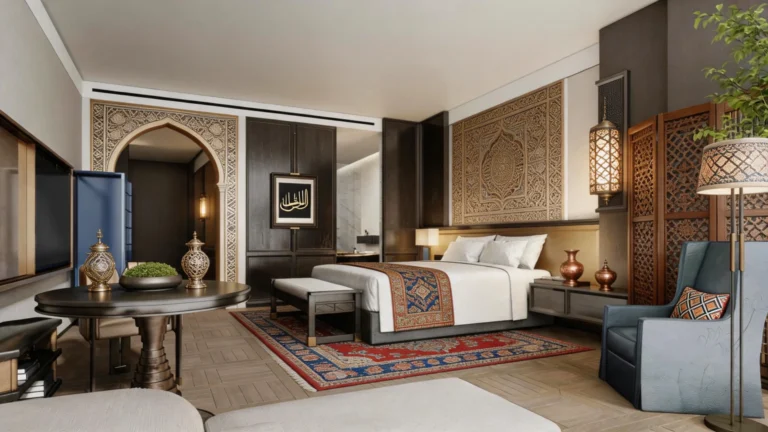
Hotels are increasingly incorporating local culture, artisanal craftsmanship, and bespoke decorative elements to create spaces that are both unique and memorable. Custom artwork, hand-finished furniture, and materials sourced from local artisans help to tell the story of the destination, giving guests an authentic experience that resonates beyond the stay. These design choices elevate brand identity, foster emotional connections, and provide lasting impressions that encourage repeat visits.
By integrating local culture thoughtfully into FF&E and interior design, hotels can differentiate themselves in a competitive market while supporting regional craftsmanship.

TREND 8
Wellness-Focused Design
In 2026, wellness continues to be a major priority in hospitality design. Hotels are incorporating features that directly support guest health and comfort, including advanced air purification systems, enhanced acoustic treatments for better soundproofing, and ergonomically designed furniture. From adjustable workstations to beds and seating that support proper posture, every detail is considered to reduce stress and fatigue. Wellness-focused design not only improves the guest experience but also reinforces a hotel’s reputation as a thoughtful and modern property.
Integrating wellness-oriented FF&E and interior elements helps hotels attract health-conscious travelers and provides a measurable impact on guest satisfaction and repeat visits.

HOTEL FURNITURE FOR PROJECT
How to Implement These Trends in Your Hotel Project
Implementing the latest hotel interior design and FF&E trends requires a strategic approach rather than trying to apply everything at once. For 2026, focus on 2–3 core trends that align with your brand positioning and target guest segment. Prioritize investments in high-impact areas where guests interact most frequently, such as guestroom beds, seating areas, and lobbies, ensuring that these touchpoints reflect your selected design direction.
Budget Allocation:
Allocate a larger portion of the budget to high-traffic zones to maximize return on investment. Lower-touch areas like corridors or storage spaces can utilize simpler, standardized furniture solutions without compromising overall aesthetics.
Supplier Selection:
Choose FF&E suppliers who understand modern hotel interior design trends and can provide trend-aligned material libraries, mockups, or sample rooms. Suppliers capable of offering custom FF&E for hotels will help translate your design vision into practical, durable, and on-brand furniture solutions.
Internal Linking Opportunities:
- For guidance on evaluating suppliers: refer to How to Choose the Right Hotel Furniture Supplier.
- For insights on custom casegoods: link to How to Choose the Right Casegoods or Top Hotel Casegoods Manufacturers in China.
By combining thoughtful trend selection, strategic budget allocation, and the right supplier partnerships, your hotel can achieve a cutting-edge design while maintaining operational efficiency and long-term durability.
Conclusion
Conclusion
The hospitality industry in 2026 demands that hotel interiors do more than look beautiful—they must enhance guest experience, operate efficiently, and reflect a property’s brand story. From sustainability as a baseline requirement to smart technology integration, biophilic design, modular layouts, expressive materials, and wellness-focused interiors, these trends are shaping the future of hospitality spaces.
FF&E plays a pivotal role in translating design concepts into functional, durable, and aesthetically consistent spaces. Selecting custom FF&E for hotels ensures that furniture, fixtures, and equipment meet the brand’s visual identity, commercial durability standards, and the expectations of modern travelers.
By thoughtfully prioritizing trends, allocating budgets strategically, and partnering with suppliers who understand contemporary hotel interior design trends and can deliver high-quality hotel furniture and fixtures, your property can stay ahead of the competition, delight guests, and achieve long-term operational success.
For hotel owners, designers, and project managers aiming to implement these trends seamlessly, working with experienced partners like CenSo Home can simplify the sourcing and production process. From design consultation and material recommendations to prototyping, production, quality inspection, and global logistics support, CenSo Home provides one-stop solutions for bringing cutting-edge hospitality interiors to life.