In today’s highly competitive hospitality industry, creating a memorable guest experience goes far beyond service—it starts with the physical environment. One of the most essential yet often overlooked elements is hotel casegoods, which form the backbone of any well-designed hotel space. From guest rooms to public areas, hotel casegoods furniture plays a critical role in both functionality and aesthetics.
Unlike loose furniture, hospitality casegoods refer to fixed or semi-fixed furniture pieces such as wardrobes, TV units, desks, vanities, and cabinets. These elements are not only designed to withstand heavy daily use but also to align with the overall brand identity of the hotel. For hotel owners, developers, and contractors, choosing the right casegoods is a strategic decision that directly impacts operational efficiency, maintenance costs, and guest satisfaction.
As global hotel projects continue to grow in scale and complexity, the demand for high-quality, customizable, and durable hotel casegoods has never been higher. Whether you’re developing a luxury resort, a boutique hotel, or a large-scale branded property, understanding what casegoods are—and how to select the right solutions—can significantly influence the success of your project.
In this guide, we’ll break down everything you need to know about hotel casegoods furniture, including types, materials, and how to choose the right manufacturing partner for your project.
What Are Casegoods?
What are casegoods? Traditionally, casegoods refer to furniture made from hard materials such as wood, metal, or laminate, typically designed with storage functions—such as cabinets, dressers, and shelving units. This is the standard definition widely used in the furniture industry.
However, in the hospitality sector, the meaning of hotel casegoods has evolved. Today, hospitality casegoods generally include a broader range of fixed or semi-fixed furniture used throughout hotel spaces. In addition to storage units, this can also include items such as headboards, TV panels, desks, vanities, and other built-in furniture that are custom-designed for hotel projects.
This broader definition is especially important for hotel owners, developers, and contractors. Unlike residential furniture, hotel casegoods furniture is typically manufactured as part of a complete project solution, focusing on durability, space efficiency, and design consistency across guest rooms and public areas.
Another key distinction is that hotel casegoods are usually fixed or modular, meaning they are installed and integrated into the space, while loose furniture—such as chairs or sofas—can be moved freely. This makes casegoods a critical component in hotel construction, renovation, and large-scale procurement projects.
Types of Hotel Casegoods
When planning a hotel project, understanding the different types of hotel casegoods furniture is essential. Depending on the space and functionality, hotel casegoods can be categorized into several key areas, each serving a distinct purpose in both design and usability. Below are the most common types used across hospitality projects.
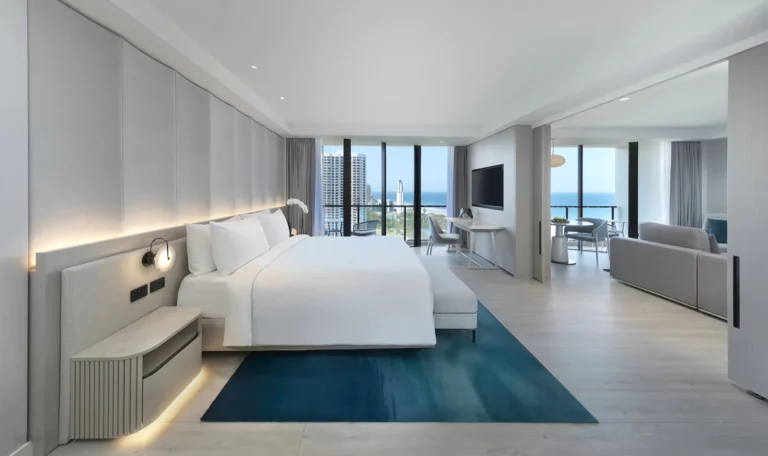
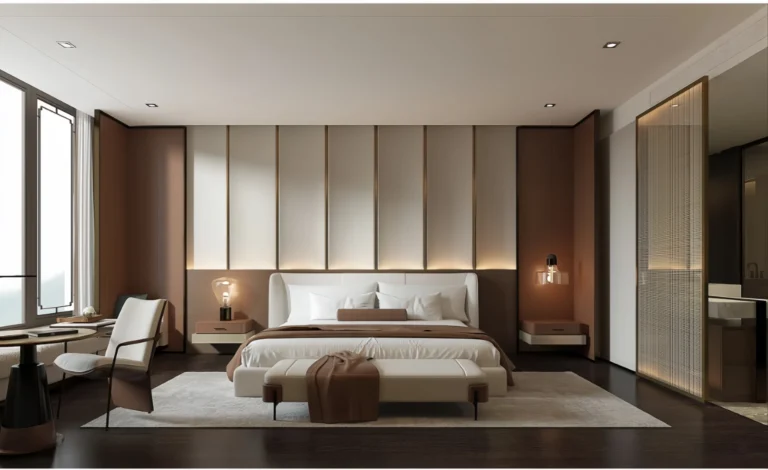
Hotel Guest Room Casegoods
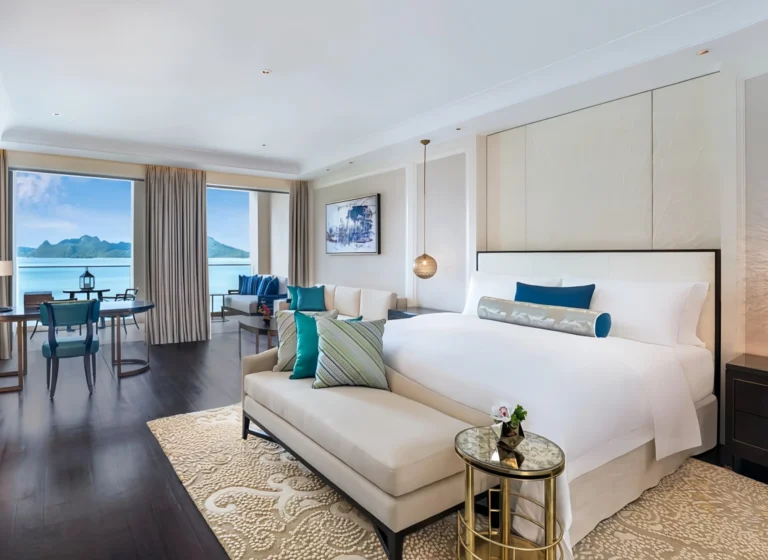
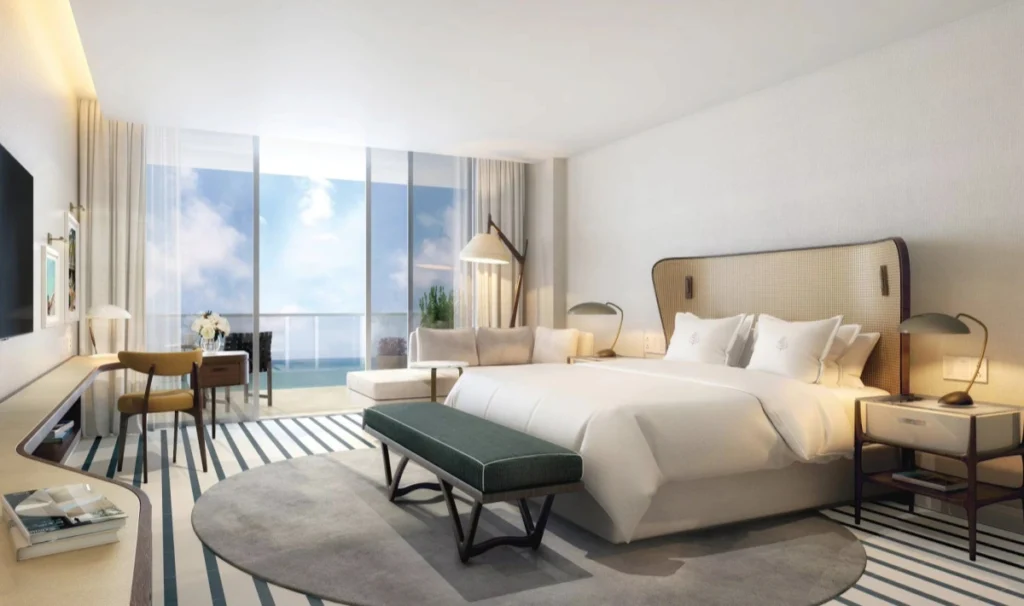
Hotel guest room casegoods are the most critical component of any hotel furniture package, as they directly impact guest comfort and daily usability. These hotel room casegoods are typically customized to maximize space efficiency while maintaining a consistent design style.
Common examples of hotel guest room casegoods include:
- Wardrobes and closets
- Headboards and bed panels
- TV units and media walls
- Writing desks and workstations
- Nightstands and bedside cabinets
- Bathroom vanities
In modern hotel projects, hotel casegoods design for guest rooms focuses on durability, functionality, and brand consistency. Since these pieces are used frequently, materials and construction quality must meet strict hospitality standards.

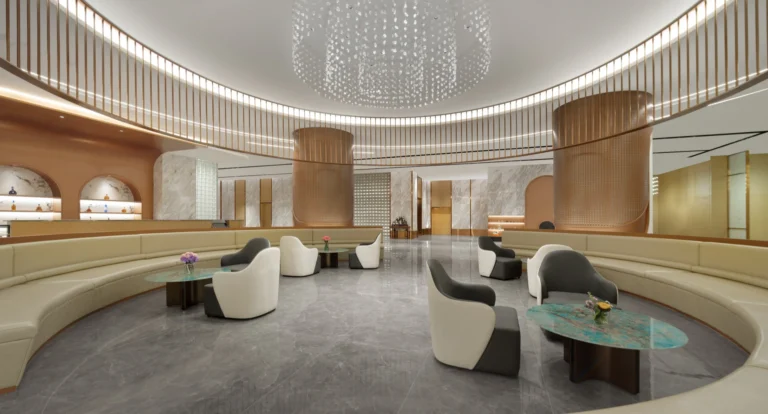
Hotel Lobby Casegoods
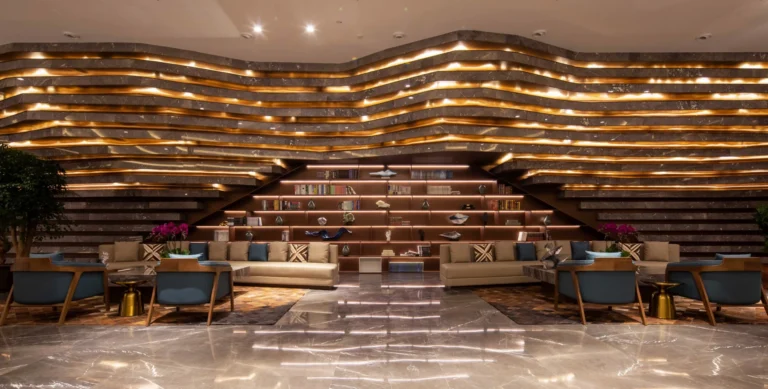
Lobby areas are the first impression of any hotel, making hotel casegoods furniture in these spaces a key element of brand identity. Unlike guest room furniture, lobby hotel casegoods are often larger in scale and more design-driven.
Typical lobby casegoods include:
- Reception desks
- Concierge counters
- Display cabinets
- Feature walls and decorative panels
- Storage-integrated seating elements
High-quality hotel casegoods design in lobby areas helps create a strong visual impact while ensuring functionality for daily operations. For hotel owners and developers, investing in well-designed lobby casegoods can significantly enhance perceived value and guest experience.

Picture from Paramount Hotel
Public Area Casegoods
Beyond guest rooms and lobbies, hotel casegoods are widely used in various public areas such as restaurants, corridors, meeting rooms, and lounges. These hotel casegoods furniture pieces must balance aesthetics with heavy-duty performance.
Examples of public area hotel casegoods include:
- Restaurant service stations
- Built-in shelving and storage units
- Corridor cabinets and wall panels
- Conference room credenzas
- Bar counters and buffet stations
In large-scale hospitality projects, hotel casegoods design for public areas often requires a high level of customization to align with the overall architectural concept and operational needs.

Materials Used in Hotel Casegoods
The performance and longevity of hotel casegoods furniture largely depend on the materials used in manufacturing. In hospitality projects, where furniture is exposed to high-frequency use, selecting the right materials is critical to ensure durability, cost efficiency, and long-term value. Modern hotel casegoods design typically combines multiple materials to achieve both functional strength and aesthetic appeal.
Core Materials in Hotel Casegoods Furniture
The most commonly used materials in hospitality casegoods include engineered wood, laminates, and surface finishes designed for commercial environments:
MDF (Medium Density Fiberboard)
Widely used for its smooth surface and cost-effectiveness, MDF is ideal for painted finishes and detailed designs. It is commonly applied in visible areas where aesthetics are important.
Plywood
Known for its superior strength and moisture resistance, plywood is often used in structural components of hotel casegoods furniture, especially in high-humidity environments or long-term projects.
Particle Board (Engineered Wood Panels)
A cost-efficient solution frequently used in large-scale hotel projects, offering stable performance when combined with high-quality laminates.
Laminate & Melamine Finishes
These surface materials enhance scratch resistance, wear resistance, and ease of maintenance—key requirements in modern hotel casegoods design.

Durability: A Key Factor in Hospitality Casegoods
Unlike residential furniture, hotel casegoods furniture must withstand constant use from guests, cleaning staff, and operational activities. This makes durability a top priority for hotel owners, developers, and contractors.
High-quality hospitality casegoods are designed to offer:
- Scratch and impact resistance
- Moisture and heat resistance
- Long lifecycle with minimal maintenance
- Structural stability under frequent use
For large-scale hotel projects, investing in durable materials not only reduces replacement costs but also ensures consistent guest experience over time.
Sustainability and Environmental Standards
With growing global awareness of sustainability, environmental performance has become a key consideration in hotel casegoods design. Many international hotel brands now require furniture materials to meet strict environmental and health standards.
High-quality hospitality casegoods furniture often complies with certifications such as:
- ENF-grade environmental standards (ultra-low formaldehyde emission)
- F4 Star certification (Japan standard)
- European E1/E0 standards
These certifications ensure that hospitality casegoods are safe, eco-friendly, and suitable for long-term indoor use—an increasingly important factor for both developers and end users.
From Material Selection to Manufacturing Precision
Beyond material selection, the consistency and quality of hotel casegoods furniture also depend on manufacturing capabilities. Advanced production systems and strict quality control processes help ensure that each component meets project specifications, reduces errors, and improves overall efficiency.
For hotel developers and contractors, working with manufacturers that combine material expertise with large-scale production capacity is essential to achieving both quality and timely delivery in complex hospitality projects.
How to Choose a Hotel Casegoods Manufacturer
Selecting the right hotel casegoods manufacturer is a critical decision for any hospitality project. Whether you are a hotel owner, developer, or contractor, the quality, reliability, and capabilities of your hotel casegoods furniture suppliers will directly impact project timelines, costs, and overall success.
Below are the key factors to consider when evaluating potential partners for your custom hotel casegoods needs.
Experience in Hospitality Projects
In China, there are many manufacturers of hotel furniture and casegoods with over 10 years of experience. Therefore, drawing upon my 18 years of experience in this industry, I recommend that—when selecting a supplier—you prioritize manufacturers with at least a decade of experience in both production and exporting.
Reliable hotel casegoods manufacturers typically have:
- Proven experience in international hotel projects
- A portfolio covering guest rooms, public areas, and large developments
- The ability to handle complex project requirements
Production Capacity and Global Supply Capability
To make the most accurate assessment, you really need to conduct an on-site inspection of the supplier’s factory and observe the operations firsthand. Given the advanced state of the internet today, there are numerous trading companies—both large and small—operating online (some of which are truly willing to compromise on both quality and price just to secure orders); they will all claim to own their own manufacturing facilities. If you rely solely on viewing photos and videos online, you will be unable to distinguish what is genuine from what is not.
Key considerations include:
- The larger the factory premises, the better—signifying greater corporate strength.
- We utilize advanced production equipment to ensure product precision.
- Dedicated quality control personnel are assigned to every stage of the process.
Customization Capability
Most hospitality projects require tailored solutions rather than standard products. Choosing a partner that specializes in custom hotel casegoods ensures that your furniture aligns with the hotel’s design concept, brand identity, and functional needs.
Strong customization capabilities include:
- Design-to-production integration
- Ability to handle non-standard dimensions and finishes
- Collaboration with designers and project teams
Quality Control and Production Systems
Quality consistency is one of the biggest concerns in large-scale hotel furniture projects. Advanced manufacturing systems and strict quality control processes are essential for ensuring that every piece of hotel casegoods meets required standards.
Leading hotel casegoods furniture suppliers often rely on:
- Digitalized production management systems
- Automated manufacturing processes
- Standardized quality inspection protocols
One-Stop Solution and Project Support
Beyond manufacturing, full-service capabilities are becoming increasingly important. Many hotel owners and developers prefer working with hotel casegoods manufacturers that can provide end-to-end solutions.
This includes:
- Design support and shop drawings
- Material selection and optimization
- Production and quality control
- Logistics and installation coordination
Conclusion
In modern hospitality projects, hotel casegoods are no longer just functional furniture—they are a fundamental part of the guest experience and overall brand presentation. From guest rooms to public areas, well-designed casegoods directly influence how guests perceive comfort, quality, and attention to detail.
At the same time, for hotel owners, developers, and contractors, investing in the right hotel casegoods is also a strategic decision. High-quality materials, thoughtful design, and reliable manufacturing not only enhance durability but also reduce long-term operational and maintenance costs. This is why more projects today prioritize custom hotel casegoods solutions that are tailored to specific layouts, brand standards, and usage requirements.
If you happen to be working on a hospitality project and are looking for reliable solutions for custom hotel furniture and hotel casegoods, it is worth considering experienced manufacturers with a strong international track record.
For example, companies like CenSo Home, which have been deeply involved in the hotel furniture industry for over 18 years, focus on export-oriented projects and offer integrated solutions for global clients. With extensive project experience and a well-established production system, such manufacturers are better equipped to support large-scale hotel developments with consistent quality and efficient delivery.