Choosing the right hotel bed size is more complicated than most people think. Hotels across different regions use different mattress standards—US, UK, and EU dimensions don’t always match, and bed names like Double, Queen, or King can vary depending on hotel brand or country.
- For travelers, this can affect sleep comfort.
- For hotel owners, designers, and procurement teams, bed size is critical for space planning, guest experience, and FF&E purchasing.
This guide breaks down every bed size used in hotels—from Twin to California King—plus a complete mattress comparison chart across US, UK, and EU standards. You'll also learn which bed sizes are most commonly used in modern hotels.

Hotel Bed Sizes Chart (US / UK / EU Compared)
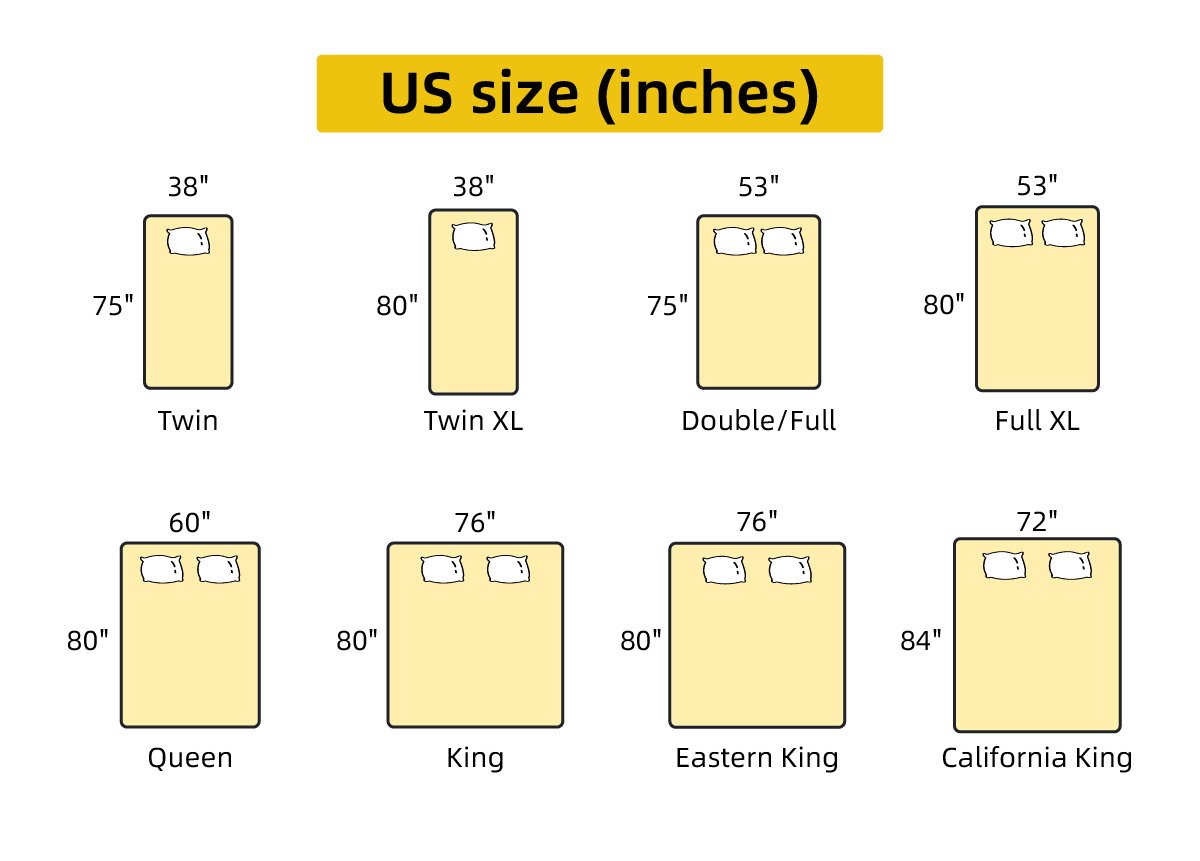
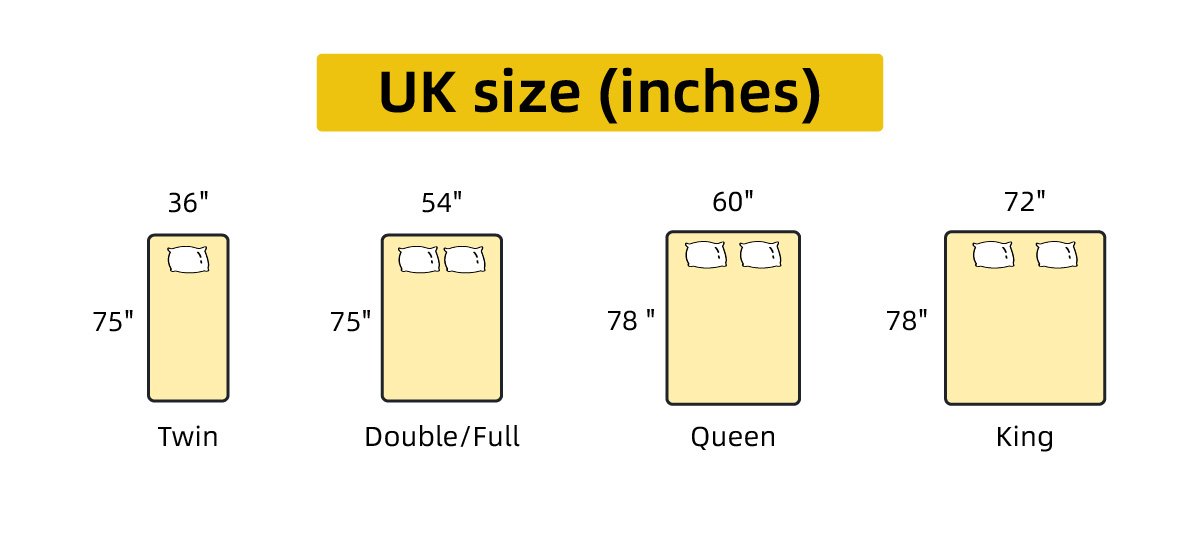
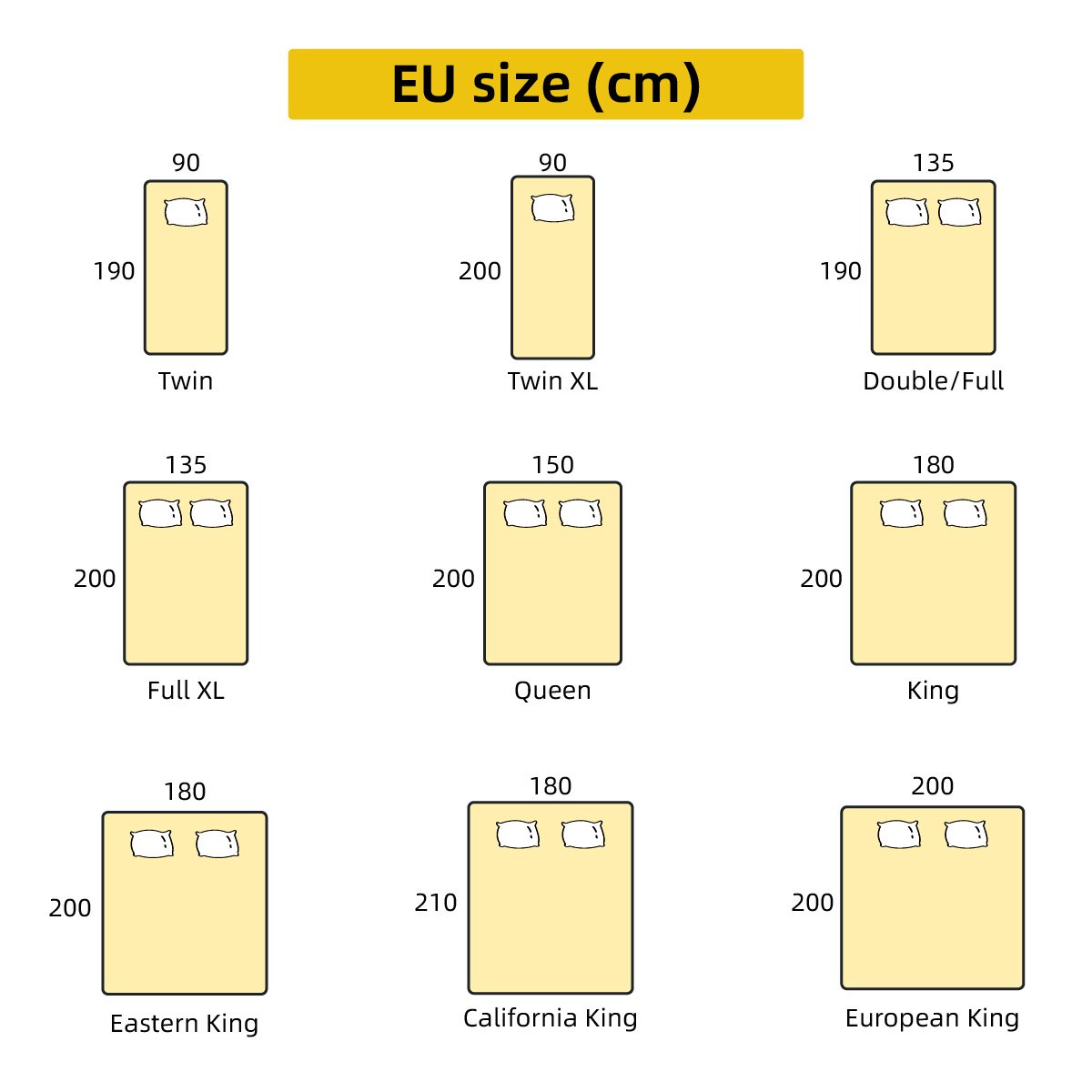
Choosing the right hotel bed size can be confusing because dimensions vary across countries and hotel brands. The comparison table below provides a clear, standardized overview for FF&E planners, hotel designers, and procurement teams.
| Bed Type | US Size (inches) | UK Size (inches) | EU Size (cm) | Commonly Used In Hotels |
|---|---|---|---|---|
| Twin | 38" × 75" | 36" × 75" | 90 × 190 cm | Standard rooms, twin rooms |
| Twin XL | 38" × 80" | Rare | 90 × 200 cm | Business hotels, extended-stay rooms |
| Double / Full | 53" × 75" | 54" × 75" | 135 × 190 cm | Budget rooms, older hotels |
| Full XL | 53" × 80" | Rare | 135 × 200 cm | Compact double rooms |
| Queen | 60" × 80" | 60" × 78" | 150 × 200 cm | Most 3–4 star hotels worldwide |
| King | 76" × 80" | 72" × 78" | 180 × 200 cm | Premium rooms, suites |
| Eastern King | 76" × 80" | Not used | 180 × 200 cm | Luxury US hotels |
| California King | 72" × 84" | Not used | 180 × 210 cm | Luxury suites, resorts |
| European King | — | — | 200 × 200 cm | High-end European hotels |
Common Hotel Bed Sizes Explained
Choosing the right bed size is one of the most important elements of hotel room design. Different bed dimensions serve different guest types—solo travelers, couples, families, and business guests. Below is a clear breakdown of the most common hotel bed sizes used worldwide.
Twin Bed (Single Bed)
- US: 38" × 75"
- UK: 36" × 75"
- EU: 90 × 190 cm
Twin beds are the smallest standard hotel beds and are typically used in twin rooms, business hotels, or budget-friendly shared accommodations.
Twin XL — Popular in Business & Extended-Stay Hotels
- US: 38" × 80"
- EU: 90 × 200 cm
Twin XL adds extra legroom and is common in business hotels and extended-stay properties where comfort for longer stays matters.
Double / Full Bed — A Traditional Hotel Standard
- US: 53" × 75"
- UK: 54" × 75"
- EU: 135 × 190 cm
The traditional Full bed is slightly wider than a Twin and used in boutique hotels, older hotels, or compact city rooms.
Full XL — For Compact Rooms Needing More Comfort
- US: 53" × 80"
- EU: 135 × 200 cm
Full XL adds extra length while keeping a compact width—ideal for boutique and renovated hotel rooms.
Queen Bed — The Most Common Hotel Bed Size Worldwide
- US: 60" × 80"
- UK: 60" × 78"
- EU: 150 × 200 cm
The Queen bed is the global standard for most mid-range hotels. Excellent comfort for solo travelers and couples.
King Bed — Premium Comfort for Modern Hotels
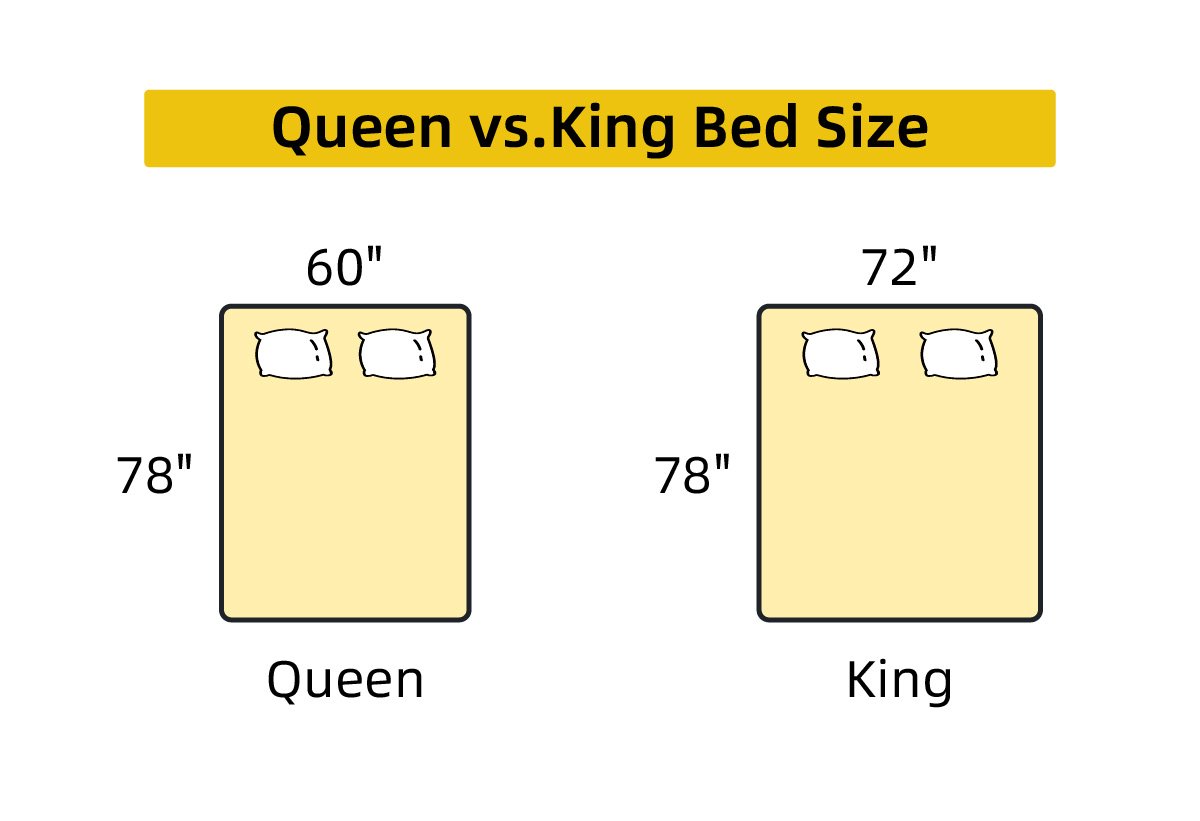
- US: 76" × 80"
- UK: 72" × 78"
- EU: 180 × 200 cm
King beds are used in premium rooms, executive floors, and luxury hotel suites.
Eastern King — Common in U.S. Luxury Hotels
- US: 76" × 80"
The standard American King, widely used in luxury resorts and full-service hotels.
California King — Preferred in Luxury Suites & Resorts
- US: 72" × 84"
- EU Equivalent: 180 × 210 cm
Longer but narrower than a Standard King—ideal for tall guests and luxury suites.
European King — Extra-Large Comfort for Upscale EU Hotels
- EU: 200 × 200 cm
An oversized bed found in European boutique hotels and luxury properties.
Why Hotel Bed Sizes Differ Between Brands
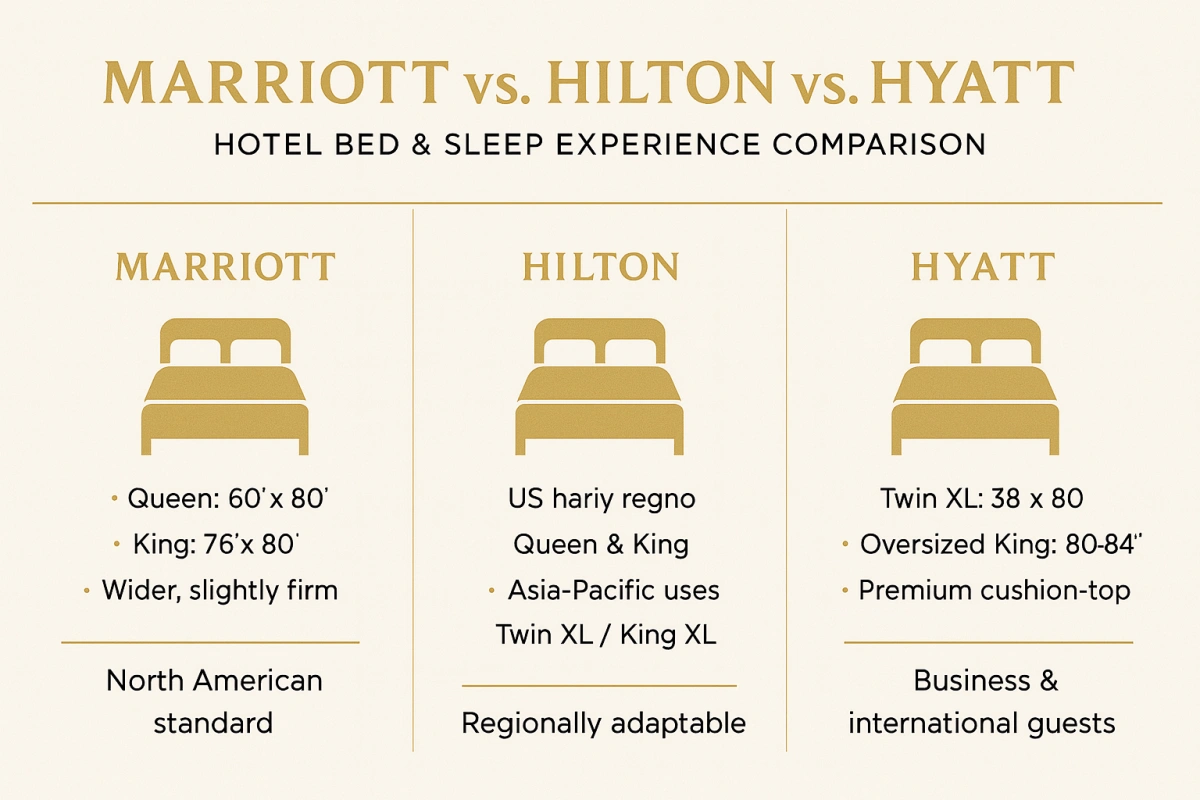
Hotel bed sizes are not standardized across the global hospitality industry. Each hotel group sets its own specifications based on brand positioning, guest demographics, regional standards, and room size strategy. This is why a king bed at Marriott may feel different from a king bed at Hilton.
Marriott vs. Hilton vs. Hyatt — Different Comfort Philosophies
Marriott International
- Queen: 60" × 80"
- King: 76" × 80"
- Hybrid mattresses for durability
Marriott brands (Marriott Hotels, Sheraton, Westin, JW Marriott) lean toward North American sizing and predictable firmness, forming the “Marriott Sleep Experience.”
Hilton Hotels & Resorts
- US hotels use standard Queen & King
- Asia-Pacific uses Twin XL / King XL
- Middle East: oversized king beds
Hilton adapts bed sizing by region to match cultural sleep habits and market expectations—resulting in higher satisfaction.
Hyatt Hotels
- Twin XL: 38" × 80"
- Oversized King: 80"–84" length
- Premium cushion-top designs
Hyatt prioritizes ergonomics for international travelers—beds tend to be longer, softer, and upgraded for premium comfort.
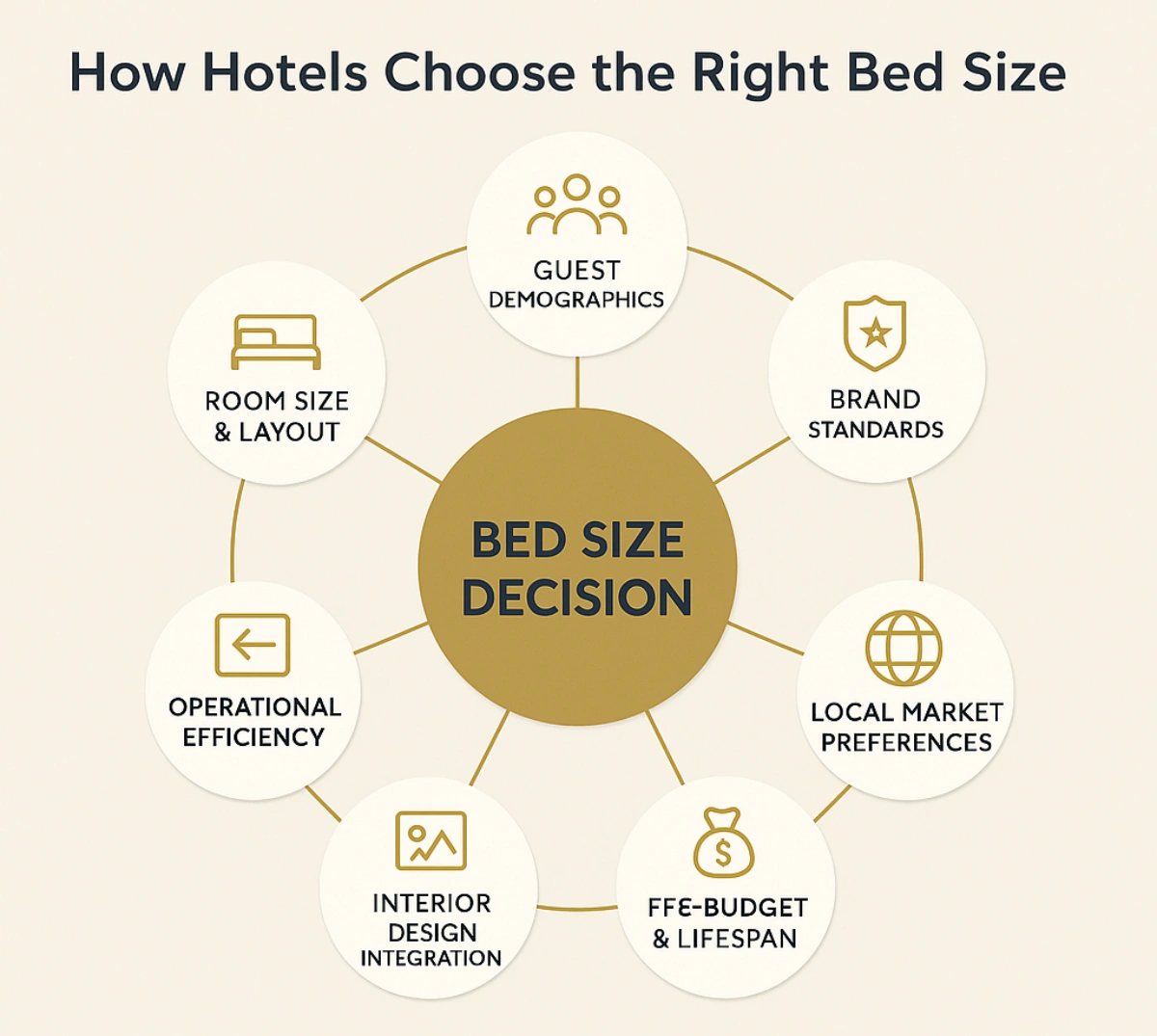
How Hotels Choose the Right Bed Size
Selecting the right bed size is one of the most important decisions in hotel room planning. It influences not only guest comfort but also room circulation, occupancy strategy, furniture layout, cleaning efficiency, and long-term FF&E costs. Below are the key factors hotels use when deciding which bed sizes to install in each room category.
Guest Demographics and Target Traveler Profiles
Hotels first assess who they are designing for. Understanding guest profiles helps determine which bed sizes increase satisfaction and repeat bookings.
- Business travelers → prefer Queen, King, or Twin XL
- Families → two Queens or King + Sofa Bed
- Couples → expect King in premium rooms
- Group travelers / friends → Twin or Twin XL
- Luxury travelers → oversized King or California King
Room Size, Circulation Flow & Layout Constraints
Even the best bed negatively impacts guest experience if it makes the room feel cramped. Hotels evaluate circulation flow, minimum clearances, door swing, and furniture placement to determine which bed size fits the architectural layout.
- 80–90 cm walking space required around bed
- Room depth determines if King / Cal King fits
- Luggage bench, wardrobe & desk placement
- ADA & accessibility requirements
- Bathroom door swing & circulation flow
Brand Standards & Regional Requirements
Each hotel brand sets strict FF&E and bedding specifications. Developers must follow these during construction and procurement to maintain brand consistency.
- Marriott / Hyatt → North American Queen & King
- Hilton → adjusts size by region (US, APAC, Middle East)
- Accor economy brands → Double/Full beds standard
- Luxury brands → deeper mattresses + extended length
Local Market Preferences (US vs UK vs EU vs Middle East)
Regional sleep habits and room sizes heavily influence hotel bed size preferences.
- US → King expected in upscale rooms
- UK/EU → smaller rooms → Double or EU King
- Middle East → oversized Kings in larger suites
- Asia-Pacific → Twin XL widely used
Operational Efficiency & Housekeeping Practicality
Bed size affects labor cost, cleaning efficiency, inventory, and turnover time. Hotels must balance comfort with operational realities.
- Larger beds require more linen inventory
- Housekeeping takes longer for King / Cal King
- Custom sizes increase replacement cost
- Split King / Twin XL reduce operational load
FF&E Budget, Procurement Strategy & Product Lifespan
The bed is one of the highest-cost FF&E elements. Hotels consider durability, warranty cycles, installation logistics, and furniture compatibility.
- Mattress durability & warranty
- Frame & headboard construction standards
- Custom vs standard dimensions
- Logistics, delivery & installation
- Casegoods compatibility
Integration With Overall Interior Design Concept
The bed defines the entire visual balance of a hotel room. Luxury hotels ensure the bed integrates seamlessly with lighting, symmetry, wall panels, and overall proportions.
- Headboard size & wall panel alignment
- Platform height & bedding height
- Nightstand symmetry & lighting
- Room proportions & ceiling height