Creating a high-end kitchen requires more than expensive decoration or a generous floor plan. The result depends on how cabinetry responds to architecture, daily use, storage requirements and visual proportions. True high end kitchen cabinets bring together a well-planned layout, durable construction, premium materials, precise workmanship, functional storage and consistent detailing across the entire space.
Mansions and luxury villas typically require larger cabinet systems and a higher level of customization than standard homes. Tall walls, extensive islands, integrated appliances, secondary preparation areas and connections with dining or entertainment spaces must all be considered. For these projects, high end custom kitchen cabinets should be developed around the actual room dimensions, lifestyle and architectural character rather than selected as isolated products.
This guide explores 20 high end kitchen cabinet ideas, from floor-to-ceiling cabinetry and natural veneer finishes to concealed pantries, illuminated displays and double islands. It will help homeowners, developers, designers and contractors identify suitable luxury kitchen cabinets and develop a cohesive direction for mansion and villa projects.
What Makes Kitchen Cabinets High-End?
High-end kitchen cabinets are defined by customized layouts, durable cabinet construction, premium finishes, precise workmanship, reliable hardware, functional storage and close coordination with the surrounding architecture. Unlike standard ready-made cabinets, high end kitchen cabinetry is developed for the dimensions, layout and design language of a specific space. Cabinet heights, door proportions, appliance positions, storage zones and material transitions are planned together so that the kitchen functions as one complete system rather than a collection of separate units.
| High-End Feature | What It Means |
|---|---|
| 01 Custom Design | Cabinet dimensions and layouts developed for the actual space |
| 02 Quality Construction | Stable cabinet boxes, protected edges and precise assembly |
| 03 Premium Materials | Selected veneer, lacquer, stone, glass and metal details |
| 04 Refined Workmanship | Consistent joints, finishes, alignment and detailing |
| 05 Functional Hardware | Reliable hinges, drawer systems and internal accessories |
| 06 Integrated Design | Coordination with appliances, lighting and architectural finishes |
| 07 Project Control | Approved drawings, samples and quality inspections |
What Are High-End Kitchen Cabinets Made Of?
What are high end kitchen cabinets made of? Most combine stable engineered substrates with carefully selected surface finishes, decorative materials, reliable hardware and durable countertops. Common choices include plywood, moisture-resistant MDF, solid wood, natural veneer, lacquer, glass, metal and stone. The right combination depends on the cabinet component, kitchen environment, design requirements and expected level of use.
| Cabinet Component | Common High-End Options | Main Consideration |
|---|---|---|
| 01 Cabinet Box | Plywood, moisture-resistant MDF, engineered panels | Stability and intended environment |
| 02 Cabinet Door | Solid wood, veneer, lacquered MDF, glass, metal | Appearance, durability and detailing |
| 03 Interior Finish | Melamine, veneer, lacquer or laminate | Cleaning and consistency |
| 04 Decorative Details | Natural stone, metal, leather or fluted panels | Visual character and coordination |
| 05 Hardware | Soft-close hinges, full-extension slides, lift systems | Frequency of use and reliability |
| 06 Countertop | Marble, quartzite, engineered stone or sintered stone | Staining, heat and maintenance |
No single material is suitable for every luxury kitchen. Solid wood offers natural character, plywood provides structural stability, MDF creates a smooth base for lacquered doors, and veneer delivers controlled grain patterns across larger surfaces. Finishes such as lacquer, glass, metal, stone and fluted panels can further define the appearance of high quality kitchen cabinets, but these luxury cabinet materials should remain coordinated with the surrounding interior.
Materials must be evaluated as part of a complete cabinet system that includes panel thickness, edge protection, adhesives, machining, hardware and installation. Climate and daily use also matter: humid or coastal locations may require stronger moisture and corrosion protection, while heavily used kitchens need easy-to-maintain surfaces and reliable components. The final combination should balance design intent, structural performance, local conditions and long-term usability.
Top 20 High-End Kitchen Cabinet Ideas
The best high end kitchen cabinet ideas combine visual impact with practical planning. For mansions and luxury villas, each concept should respond to the room proportions, architectural style, cooking habits and storage requirements. The following ideas can be used individually or combined into a complete custom cabinetry system.
01. Floor-to-Ceiling Kitchen Cabinets
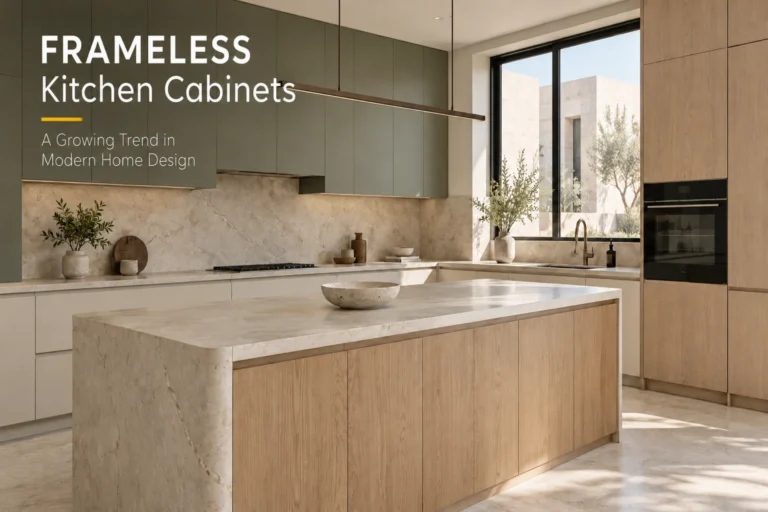
Floor-to-ceiling cabinets use the full wall height to create a clean, architectural elevation with generous storage. They work particularly well in villas with tall ceilings and large kitchens. Door proportions, upper-level access, ceiling alignment and ventilation for integrated appliances must be resolved during customization.

02. Wall-to-Wall Cabinet System
A continuous wall-to-wall system makes the cabinetry appear integrated into the architecture rather than installed as separate units. This approach suits minimalist mansions and open-plan villas. Accurate site measurements, fillers, wall irregularities and connections with skirting, ceilings and doorways require careful coordination.

03. Double-Island Kitchen Cabinet Design
Double islands separate preparation from dining, serving or entertaining. Their scale creates a strong luxury statement in spacious kitchens while establishing clear functional zones. Adequate circulation must be maintained between both islands, surrounding cabinets and appliances, with plumbing and electrical services confirmed before production.

04. Hidden Preparation Kitchen
A concealed preparation or secondary kitchen keeps intensive cooking, cleaning and food storage away from the main display kitchen. It is ideal for large villas used for entertaining. The design should coordinate access, ventilation, plumbing, appliances and storage between the two kitchen areas.

05. Book-Matched Wood Veneer Cabinets
Book-matched veneer uses mirrored or continuous grain patterns across doors and panels, highlighting natural material character and precise craftsmanship. Wood veneer kitchen cabinet complements contemporary and transitional luxury interiors. Veneer sheets must be selected, numbered and approved before production to maintain grain direction, tone and visual continuity.

06. High-Gloss Lacquer Kitchen Cabinets
High-gloss lacquer kitchen cabinet creates a smooth, reflective surface that gives modern kitchens a polished appearance. Large, uninterrupted door panels are particularly effective in contemporary villas. Achieving a refined result requires stable substrates, consistent color, careful surface preparation, accurate door alignment and protection during delivery and installation.

07. Natural Stone Cabinet Details
Marble, quartzite or sintered stone can be applied to island fronts, side panels and selected cabinet features. The material introduces depth and makes the cabinetry feel more permanent and architectural. Weight, slab thickness, pattern matching, structural support and access to serviceable components must be considered.

08. Metal-Framed Glass Display Cabinets
Slim metal frames, glass doors and integrated lighting transform practical storage into an elegant display area. This design suits villas with premium tableware, art pieces or collections. Glass safety, frame finishes, shelf loading, hinge capacity and concealed wiring should all be confirmed during development.

09. Fluted Kitchen Cabinet Doors
Fluted wood, lacquer or glass panels add texture and rhythm without relying on heavy ornamentation. They suit contemporary, Art Deco and modern-classic interiors. Groove depth, spacing, edge treatment and cleaning requirements should be considered carefully, especially on frequently handled doors near cooking areas.

10. Two-Tone Luxury Kitchen Cabinets
Two-tone cabinetry uses coordinated colors or materials to distinguish tall units, base cabinets and islands. Combining wood veneer with lacquer or neutral cabinetry with a darker island creates controlled contrast. Samples should be reviewed together to confirm undertones, proportions and compatibility with flooring and countertops.

11. Handleless Kitchen Cabinet Design
Handleless cabinets use recessed profiles, beveled edges, push-to-open hardware or powered opening systems to maintain a continuous façade. They are well suited to minimalist custom luxury kitchen cabinets. Grip comfort, door clearances, appliance access and the long-term reliability of opening mechanisms must be tested.

12. Integrated Appliance Cabinets
Integrated cabinetry conceals refrigerators, dishwashers and other appliances behind coordinated panels while placing ovens and coffee machines within organized tall units. The result is a calmer, more consistent kitchen elevation. Appliance specifications, ventilation, door swings, electrical connections and future maintenance access must be coordinated early.

13. Concealed Pantry Cabinets
A concealed pantry uses continuous cabinet fronts or a hidden door to connect food storage with the main kitchen discreetly. It is valuable in large family homes requiring substantial storage. Door hardware, internal lighting, ventilation, floor transitions and sufficient clearance for entering the pantry need detailed planning.

14. High End Pocket-Door Appliance Kitchen Cabinet
Pocket doors slide into the cabinet sides to reveal a coffee station, breakfast area or small-appliance workspace, then close to restore a clean appearance. This flexible feature suits multifunctional luxury kitchens. Cabinet depth, door mechanisms, electrical outlets, countertop protection and ventilation must be carefully specified.

15. Architectural Kitchen Cabinet Wall
An architectural cabinet wall coordinates cabinetry with wall panels, interior doors, ceiling lines and structural openings. It produces a composed, built-in appearance suited to large contemporary mansions. Joint positions, material transitions and site interfaces should be documented through coordinated elevations, sections and finish samples.

16. Customized Internal Storage
Customized interiors organize cookware, cutlery, spices, trays and small appliances according to the owner’s habits. Although largely concealed, this level of personalization distinguishes high end custom kitchen cabinets from standard products. Drawer sizes, accessory locations, load requirements and plumbing conflicts should be confirmed before manufacturing.

17. Integrated Wine and Bar Cabinet
Wine storage, glass racks, beverage equipment and illuminated shelving can be incorporated into the kitchen or adjoining dining area. This feature supports entertaining while maintaining material continuity. Refrigeration ventilation, bottle capacity, glassware dimensions, moisture protection and electrical access should guide the cabinet configuration.

18. Illuminated Display Cabinetry
Shelf lighting, glass-cabinet lighting and concealed LED strips highlight materials and displayed objects while adding depth to the kitchen after dark. It works especially well in reception-focused villas. Color temperature, brightness, switching, cable routes, heat control and access to replaceable drivers require advance coordination.

19. Curved Kitchen Cabinets and Islands
Curved cabinet ends and rounded islands soften large kitchens and improve movement around prominent volumes. Their sculptural form suits modern villas with flowing architectural lines. Consistent radii, curved substrates, door operation, edge finishing and accurate countertop templates are essential for a refined result.

20. Coordinated Kitchen and Dining Cabinetry
Using related finishes across kitchen cabinets, dining storage, display units and wall panels creates visual continuity throughout an open-plan interior. This approach is ideal for mansions where several living zones share one space. Material consistency, sightlines and the different functional requirements of each area should be coordinated as one bespoke kitchen cabinet package.

Conclusion
High-end kitchen cabinets are not defined by expensive materials alone. A successful design brings together the right layout, balanced proportions, durable construction, refined finishes, reliable hardware and storage that responds to how the kitchen will be used.
The 20 ideas in this guide should be selected according to the property’s architecture, available space, lifestyle and practical requirements rather than combined without a clear design direction. Coordinated shop drawings, physical material samples and mock-ups can help verify dimensions, finishes, functionality and workmanship before production begins.
Truly high end kitchen cabinets should provide visual refinement, a comfortable user experience and dependable long-term quality. CenSo Home develops custom kitchen cabinet solutions for mansions and luxury villas, supporting projects from design coordination and material selection through manufacturing and delivery.
Frequently Asked Questions
What are high-end kitchen cabinets?
High-end kitchen cabinets are custom or highly specified cabinet systems designed around a particular space. They combine durable construction, premium finishes, precise workmanship, reliable hardware and practical storage. Their value comes from how well the layout, materials and details work together—not simply from an expensive finish or a luxury brand name.
What are high-end kitchen cabinets made of?
High-end cabinets may use plywood, moisture-resistant MDF, solid wood, natural veneer, lacquer, glass and metal, depending on the component and design. Premium hardware and stone countertops are also common. The final quality depends on how the substrate, finish, edges, joints and hardware are specified, manufactured and installed as a complete system.
What makes kitchen cabinets look expensive?
Balanced proportions, consistent door alignment, clean joints and carefully coordinated materials help cabinets look refined. Floor-to-ceiling doors, continuous wood grain, integrated appliances, concealed storage and subtle lighting can also create a more architectural appearance. Too many decorative materials or unrelated features may make the kitchen look less cohesive rather than more luxurious.
Are custom cabinets better for mansions and villas?
Custom cabinets are usually more suitable for mansions and villas because they can respond to tall ceilings, large islands, unusual wall dimensions and extensive storage requirements. They also allow appliances, pantries, lighting and adjoining dining cabinetry to be coordinated. However, the result still depends on accurate design development, manufacturing and installation.
What is the best material for high-end kitchen cabinets?
There is no single best material for every project. Plywood is often selected for structural stability, MDF for smooth lacquered finishes, solid wood for detailed profiles and veneer for consistent natural grain. The appropriate option depends on the cabinet component, design intent, climate, maintenance requirements and expected level of use.
Are high-end custom kitchen cabinets worth it?
High-end custom kitchen cabinets can be worthwhile when the project requires a tailored layout, coordinated materials, specialized storage or integration with appliances and architecture. Their value is strongest when customization improves both appearance and daily use. Poorly planned custom features, however, may increase cost without providing meaningful functional or visual benefits.
How should I choose a high-end kitchen cabinet design?
Begin with the kitchen dimensions, architectural style, cooking habits, storage needs and appliance schedule. Select a design direction that supports these requirements, then coordinate the layout, materials, finishes, hardware and lighting. Review detailed drawings, physical samples and, where practical, a mock-up before approving the final cabinet design for production.
Where can I buy high-end kitchen cabinets?
High-end kitchen cabinets can be purchased through luxury kitchen showrooms, specialist cabinet dealers or experienced custom cabinet manufacturers. For mansion and villa projects, choose a supplier that can provide customized layouts, material samples, detailed shop drawings, reliable hardware, quality inspections and delivery support. Review its manufacturing capabilities and completed projects before making a decision.