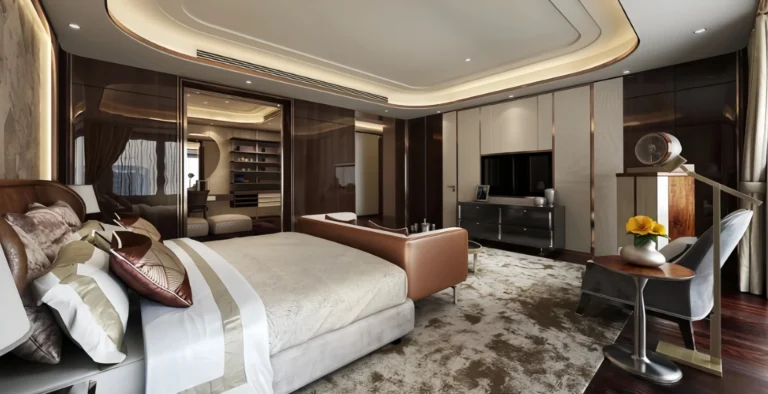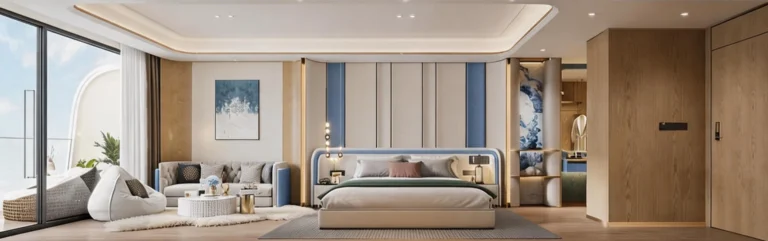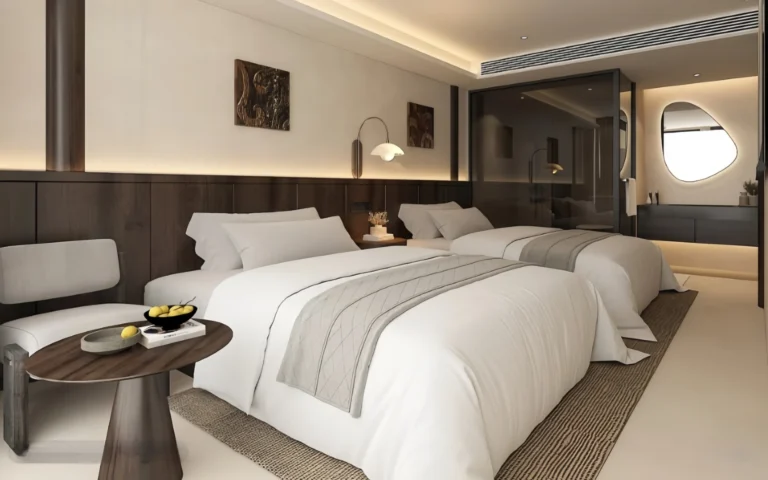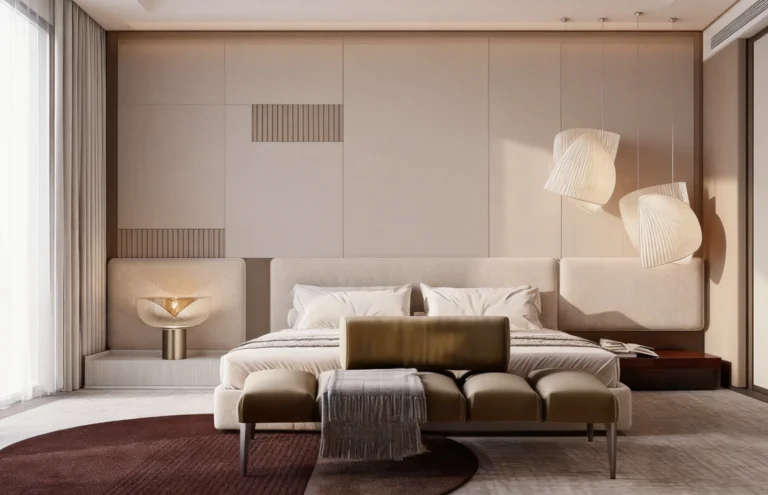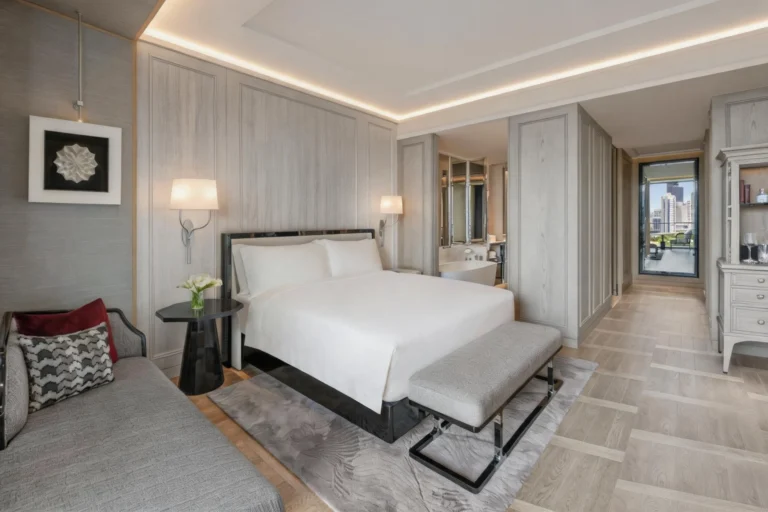
“In a hospitality project, casegoods—including dressers, nightstands, wardrobes, and other essential furniture—play a critical role in both guest experience and operational efficiency. Selecting the wrong casegoods for hospitality can lead to frequent maintenance, negative guest reviews, and shortened renovation cycles, which directly impact a hotel’s ROI and reputation.”
For hotel owners, procurement teams, and contractors, sourcing the right furniture comes with unique challenges. Each hotel type and property scale presents distinct needs: what works for a luxury resort may not be suitable for a mid-sized property, and budget constraints often limit the ability to purchase top-tier commercial-grade furnishings. More owner, developer and builder frequently face questions such as: How do I find durable furniture that matches my brand’s style? How can I source items that are both customizable and delivered on schedule?
This article provides a comprehensive guide for choosing the right casegoods for hospitality projects, helping stakeholders make informed decisions that balance cost, durability, and design consistency. By the end, you will understand the key factors for selecting commercial hotel furniture, and how to work with suppliers to secure custom hotel casegoods that meet both aesthetic and operational standards.

Key Factors Choose Casegoods For Hospitality Project
Selecting the right casegoods—such as dressers, nightstands, and wardrobes—for a hospitality project is more than just choosing attractive furniture. For hotels, these pieces must withstand heavy daily use, complement the brand’s aesthetic, and meet strict operational standards. The key to a successful selection lies in balancing durability, functionality, and style while ensuring compliance with local safety and accessibility regulations.
This section will guide you through what to consider when selecting casegoods for both mid-sized and large-scale properties, helping you achieve long-term value, guest satisfaction, and operational efficiency.
1. Define Your Project Requirements First
This section will guide you through what to consider when selecting casegoods for both mid-sized and large-scale properties, helping you achieve long-term value, guest satisfaction, and operational efficiency.
- Brand & Hotel Tier: Luxury and boutique hotels may prefer custom casegoods to create a unique guest experience, while mid-tier or economy hotels might opt for existing supplier designs to save time and costs.
- Budget Considerations: Custom casegoods generally come at a higher price point than standard models. When planning procurement, carefully evaluate your budget per room and project-wide to ensure cost-effectiveness without compromising durability or style.
- Design Alignment: Consider whether the furniture style aligns with your hotel casegoods design vision and overall interior aesthetic.
2.Material & Construction
Selecting the right materials for hotel casegoods is crucial for ensuring long-term durability, guest satisfaction, and operational efficiency. The materials chosen directly affect maintenance costs, lifespan, and the overall aesthetic of your hospitality project. Below is a comparison of commonly used materials and finishes:
| Material / Finish | Advantages | Disadvantages | Suitable Hotel Type |
|---|---|---|---|
| Solid Wood (Oak, Walnut, etc.) | High-end appearance, very durable, repairable | Expensive, sensitive to humidity | Luxury hotels, furniture surface panels |
| Veneered MDF / Plywood Base | Close to solid wood look, stable, cost-effective | Veneer damage is hard to repair | Mid-to-high-end hotels, large-scale applications |
| Melamine Laminated Panels | Scratch-resistant, moisture-resistant, very affordable | Lower-quality feel, edges may swell | Economy hotels, back panels, side panels |
| Painted / PU Lacquer Finish | Smooth finish, colorful, easy to clean | Hard to repair if chipped | Modern hotel rooms, desks, cabinet doors |
| Upholstered / Soft-Covered (Fabric / Leather) | Comfortable, sound-insulating, luxurious | Requires cleaning, flammable (must be fire-retardant) | Headboards, benches, accent furniture |
Additional Considerations:
- Environmental Certifications: CARB P2 / E0 / E1 formaldehyde emission standards, FSC wood sourcing certification
- Durability Impact: High-quality materials reduce long-term operational costs by minimizing repairs and replacements.
3. Durability Standards (Commercial-Grade)
Ensuring your hotel casegoods meet commercial-grade standards is key to long-term performance and guest satisfaction. Even high-quality materials can fail without proper hardware, construction, and finishes. Here’s a concise overview:
Hardware:
- Drawer Slides: Heavy-duty ball-bearing slides, load ≥ 45kg, lifespan ≥ 50,000 cycles
- Hinges: Soft-close, reputable brands like Blum, Hettich, or GRASS
- Handles: Solid metal with electroplated or powder-coated finishes
Edge Banding & Construction:
- Laser or hot-melt edge banding, thickness ≥1mm, moisture-resistant and durable
- Drawer bottoms ≥12mm, using dovetail or metal fasteners; cabinet back panels ≥5mm, reinforced to prevent warping
Surface Resistance:
- Scratch-resistant (pencil hardness ≥ H)
- Resistant to chemicals (alcohol, cleaning agents) without discoloration
- Heat and moisture resistance (prevents cup rings and stains)
4.Integrate Modern Technology
Modern hotel guests expect their rooms to be fully functional and tech-friendly, and casegoods play an important role in delivering a seamless experience. Integrating technology into furniture not only enhances guest satisfaction but also reduces clutter and improves usability.
Power Access:
- Opt for casegoods with built-in USB ports, wireless charging pads, and AC outlets directly in nightstands, desks, or headboards.
- This eliminates the need for external adapters and keeps devices charged conveniently.
Cable Management:
- Look for units with integrated grommets and wire-routing channels to conceal cords and maintain a clean, organized room appearance.
- Well-planned cable management ensures safety, reduces wear on cords, and prevents tangling.
5. Guestroom Casegoods Dimensions & Layout
Proper dimensions and layout are essential for ensuring guest comfort, operational efficiency, and optimal use of room space. Below are standard reference dimensions commonly used in North American and European hospitality projects:
| Furniture | Height | Width | Depth |
|---|---|---|---|
| Nightstand | 60–70 cm | 50–65 cm | 45–55 cm |
| TV Cabinet | 70–80 cm | 120–180 cm | 45–55 cm |
| Wardrobe | 200–215 cm | 90–120 cm (single door) / 180+ cm (double door) | 55–65 cm |
| Desk / Vanity | 75–80 cm | 120–150 cm | 50–60 cm |
Space Optimization Tips:
- For smaller rooms, use light-colored finishes, wall-mounted or floating furniture, and multi-purpose combinations to maximize usable space.
- Ensure clear circulation paths for guest comfort and compliance with accessibility requirements.
- Coordinate furniture sizes with other elements such as beds and seating to maintain a balanced, functional layout.
6.Prioritize ADA and Safety Compliance
When planning hospitality casegoods, compliance with local regulations is critical to ensure guest safety, accessibility, and liability protection. For hotels in the United States, furniture layouts must follow the Americans with Disabilities Act (ADA) guidelines to guarantee that all guests, including those with mobility challenges, can navigate the space comfortably.
Key Considerations:
- Clearance: Maintain a minimum 32-inch (≈81 cm) clear pathway around beds, nightstands, desks, and other casegoods to allow wheelchair access.
- Hardware & Mobility: Drawer pulls, knobs, and handles should be easy to operate without excessive force, twisting, or pinching.
- Anchoring: All casegoods must be securely anchored to walls or floors to prevent tipping, especially in guest rooms with high usage.
How to Find the Right Supplier for Your Casegoods
Once you’ve finalized your casegoods specifications, the next step is finding a reliable supplier who can turn your designs into reality. Selecting the right partner is just as important as choosing the right materials or finishes, because it ensures your project stays on schedule, meets quality expectations, and aligns with your hotel’s brand standards.
Read our deep dive on How to Choose the Right Hotel Casegoods Manufacturer in 2026 to ensure your factory can deliver at scale.
Conclusion
Choosing casegoods for a hospitality project is far more than simply purchasing furniture—it is a systematic decision-making process. Successful selection requires careful consideration of materials, durability standards, dimensions, design style, and testing protocols to ensure the furniture not only looks great but also performs reliably over years of heavy use.
For hotel owners, procurement teams, and contractors seeking a trusted partner, working with a proven supplier is critical. CenSo Home, with 18 years of experience in hotel projects, offers a one-stop solution that covers design consultation, material recommendations, sample production, full-scale manufacturing, quality inspection, and logistics. Their team understands the unique demands of different hotel tiers—from mid-sized properties to luxury resorts—and can help you select and deliver custom hotel casegoods for properties that meet both operational and aesthetic standards.
By approaching casegoods selection as a comprehensive process and partnering with a reliable manufacturer like CenSo Home, you can ensure your project achieves long-term durability, guest satisfaction, and brand consistency.